Excuse Me, I'm Late for My Rage Workout
May 15, 2026From cathartic strength sessions to emotionally charged HIIT, rage workouts are the new fitness trend blending mental release with physical results. And somehow, it is everything we never knew we always needed.
There is a moment, somewhere between the bass drop of a perfectly curated playlist and the first slam of a medicine ball against the floor, where something shifts. Not physically, at least not at first. Emotionally. The kind of shift that feels less like a workout and more like a release. Welcome to rage workouts, the newest fitness obsession quietly taking over studios, social feeds, and group chats alike.
In a wellness landscape increasingly defined by personalisation, longevity, and emotional wellbeing, this trend feels almost inevitable. Fitness in 2026 is no longer about punishing the body into aesthetic submission. It is about connection, sustainability, and, perhaps most importantly, feeling something real. Experts point to a broader shift away from intensity for its own sake, towards smarter, more holistic training that supports long term health and emotional balance. Rage workouts sit right at the centre of that evolution, offering something traditional training often neglects. An outlet.

At its core, a rage workout blends high intensity functional training with deliberate emotional expression. Think battle ropes, sled pushes, and boxing combinations layered with shouting, breathwork, or even moments of stillness between sets. Participants are not just encouraged to push harder physically. They are encouraged to channel frustration, stress, or anger directly into movement. It is less about perfect form and more about honest effort.
The appeal is obvious when you consider how modern life actually feels. We are more connected than ever, yet often overstimulated and emotionally bottlenecked. Wellness trends this year repeatedly circle back to the same idea, that people are craving something tangible, something grounding, something that cuts through the noise. Rage workouts answer that call in a way that feels both primal and, strangely, a little luxurious.
Recent reports show these classes gaining traction globally, with formats ranging from structured "rage HIIT" sessions to more experimental classes that incorporate music, group catharsis, and even elements of therapy. Participants describe not just the physical burn, but a sense of emotional clarity afterwards. Like a reset button has been pressed. Fitness professionals suggest that this kind of release can help process stress and tension stored in the body, complementing rather than replacing traditional mental health support.
What makes this trend particularly compelling is how it fits into the wider direction of fitness culture. Hybrid training, which combines strength, cardio, and mobility into one efficient session, is already booming because of its practicality and performance benefits. Rage workouts build on that structure, but add an emotional layer that makes the experience feel more immersive and, crucially, more human.
There is also a subtle shift in what we value from our workouts. The rise of "exercise snacking," walking based routines, and recovery focused fitness all point to a collective move towards balance rather than burnout. Rage workouts might sound intense, but they are less about constant high output and more about intentional release. You go hard when you need to. Then you come back to centre.
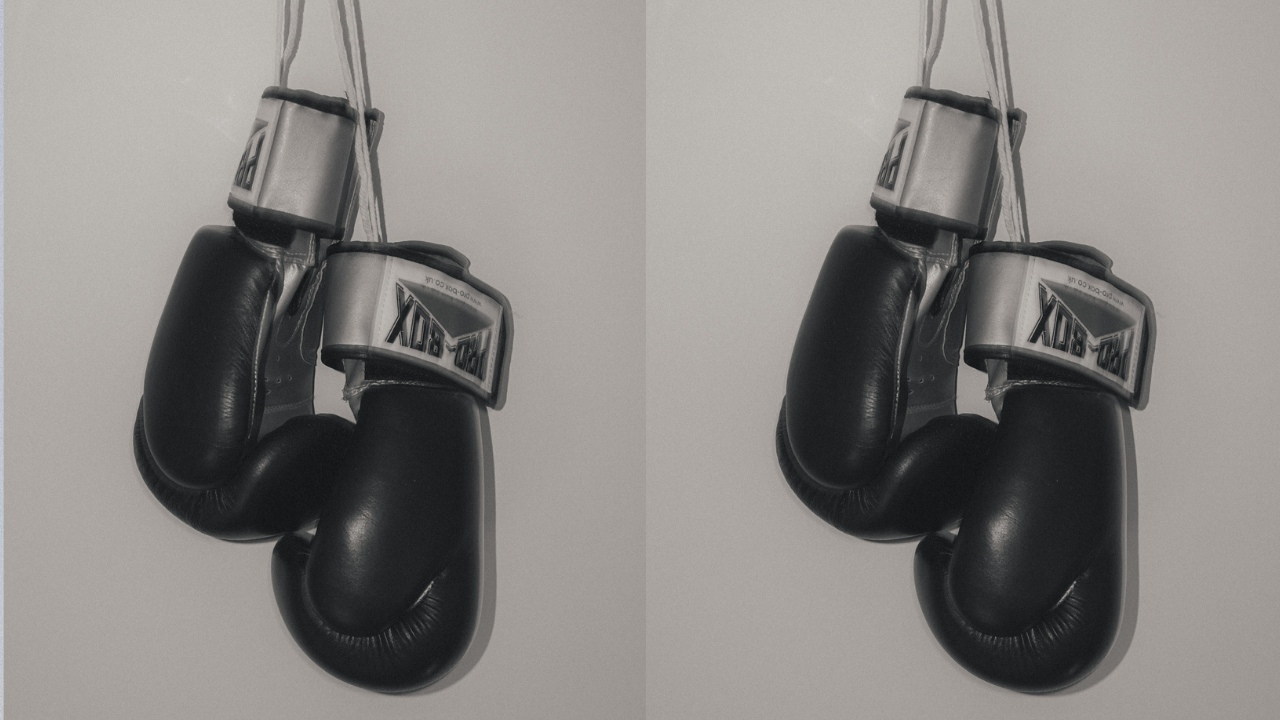
Aesthetically, the trend aligns perfectly with the current mood. Dim lighting, industrial interiors, curated playlists, and a sense of community that feels closer to a night out than a gym session. It is fitness as experience, not obligation. And in a world where boutique studios are rapidly expanding to meet demand for specialised, time efficient workouts, it is easy to see why this format is resonating.
Of course, there is nuance. Emotional expression through movement is powerful, but it is not a cure all. Experts emphasise the importance of balance, encouraging participants to pair these workouts with other forms of self care and reflection rather than using them as the sole outlet for stress. Like any trend, it works best when it becomes part of a broader, sustainable routine rather than the whole of one.
Still, there is something undeniably magnetic about it. Perhaps it is the permission it gives us to stop performing wellness and start experiencing it. Or perhaps it is simply the relief of putting down the pressure to be calm, composed, and perfectly optimised at all times.
Because sometimes, the most progressive thing you can do for your body is not to quiet it, but to let it be loud.
Stay connected with news and updates!
Join our mailing list to receive the latest news and updates from our team.
Don't worry, your information will not be shared.
We hate SPAM. We will never sell your information, for any reason.