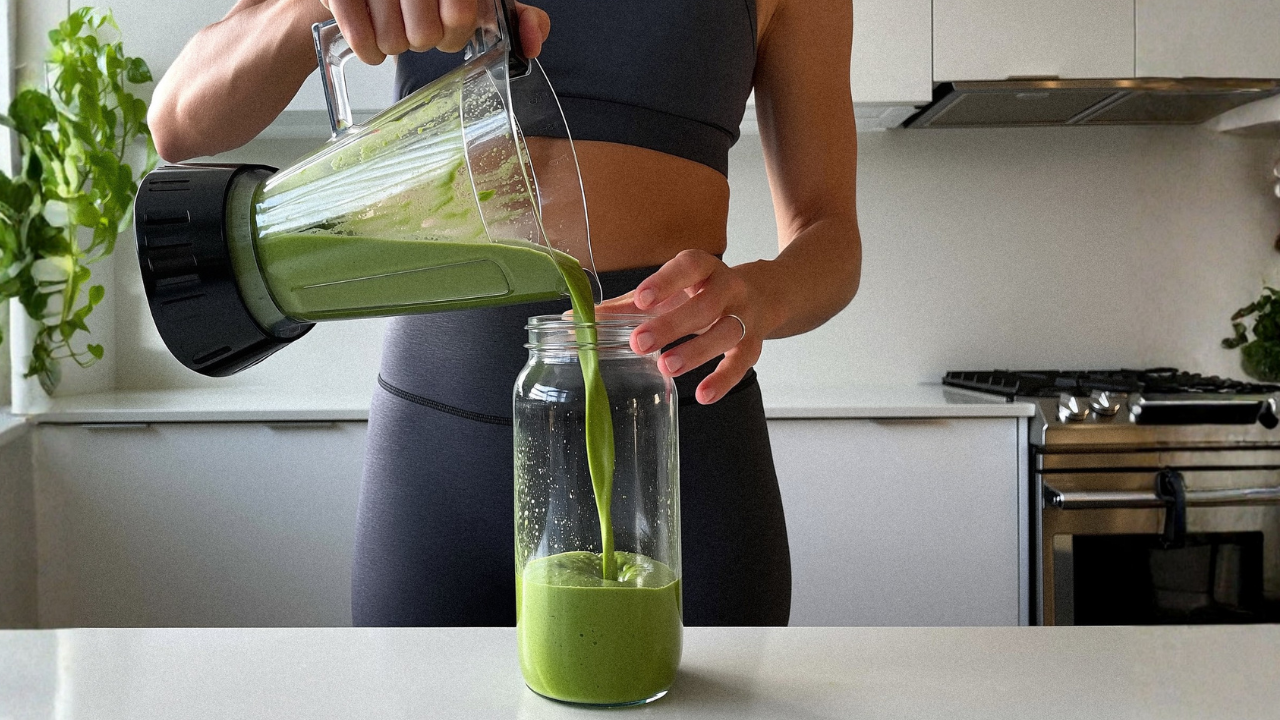

Heal Your Gut Without Turning Wellness Into Work
May 15, 2026Less protocol. More steadiness. A quieter approach to a system that responds best to ease.
Gut health has become one of the most discussed and least understood aspects of modern well being. What was once a simple conversation about digestion has slowly expanded into a culture of protocols, eliminations, and constant self monitoring. Somewhere along the way, many of us have lost sight of the body's own capacity to regulate when it is adequately supported.
Healing the gut is not an act of correction. It is a process of creating the conditions in which digestion can settle. When nourishment is consistent and stress is reduced, the body begins to re-calibrate on its own. Symptoms soften. Energy steadies. Food gradually becomes less of a negotiation and more of a neutral, easy experience.
This is not about doing more. It is about doing less, more consistently.
What Gut Health Really Encompasses
The gut is not an isolated system. It is deeply intertwined with immune response, hormone regulation, and the nervous system. The micro-biome responds to rhythm rather than novelty, which means regular meals, sufficient sleep, and a sense of physiological safety shape digestion far more than any individual ingredient ever could.
When the gut is under strain, the effects often appear indirectly. Skin may become reactive. Fatigue lingers. Foods that were once well tolerated begin to cause discomfort. These shifts are often subtle, but they are meaningful. They suggest that digestion is operating under pressure rather than ease.
When Digestion Becomes Less Tolerant
Digestive symptoms are not always dramatic. For many women, they appear as bloating that feels unpredictable, or simply a sense that meals take more effort to process than they used to. Food intolerances often emerge in these moments, not as permanent conditions but as responses to inflammation or stress within the gut environment.
Certain foods become difficult because the digestive system is no longer resourced to handle them efficiently. This does not mean those foods are inherently problematic. It means the context has changed.
Gut healing begins by addressing the context.
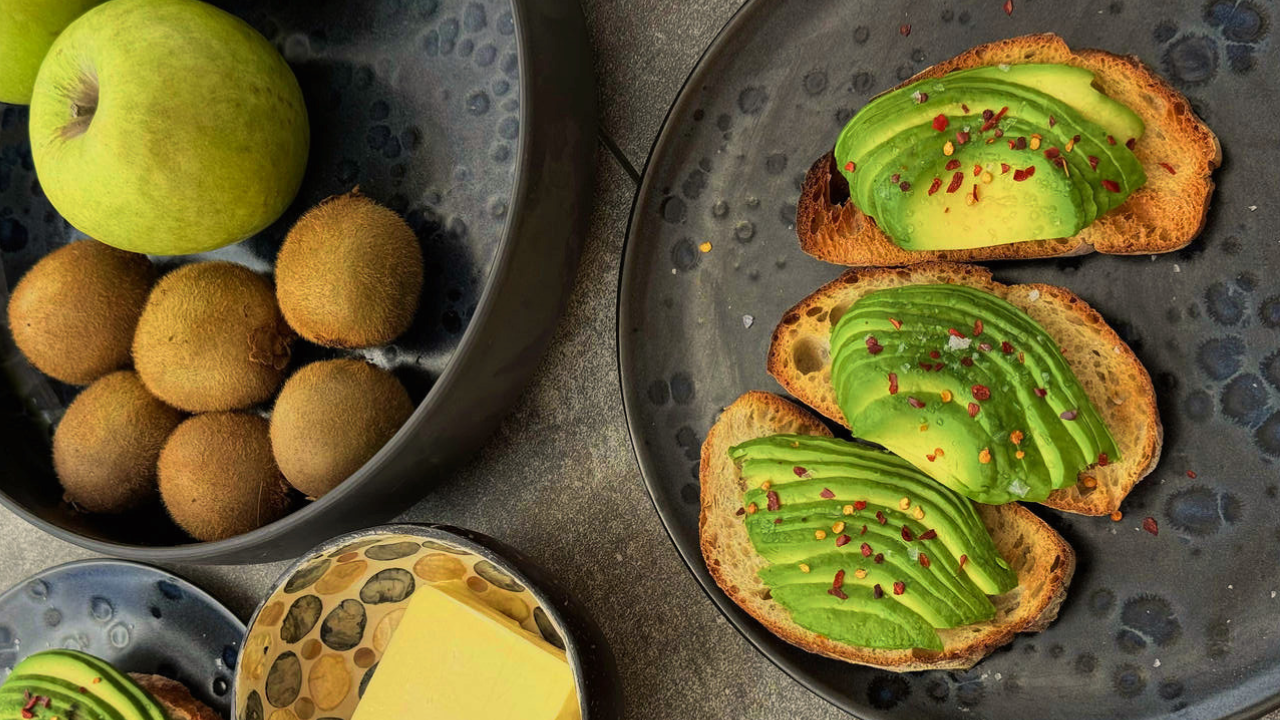
The Role of Consistency in Healing
The digestive system responds best to predictability. Long periods of restriction, irregular eating, or frequent dietary changes can increase stress, even when they are well intentioned. Over time, this stress quietly narrows tolerance rather than expanding it.
Consistent nourishment allows the gut to relax. Balanced meals eaten at regular intervals stabilise blood sugar and reduce inflammatory signalling. When the body trusts that it will be fed, digestion becomes more efficient and far less reactive.
Healing often begins here, quietly and without drama.
Food Intolerances as Temporary Signals
Food intolerances are often treated as fixed identities, yet many are transient. When the gut lining is inflamed or the nervous system is overstimulated, tolerance naturally decreases. Temporarily removing reactive foods can reduce the overall burden on digestion, allowing repair to begin.
Reintroduction is not a test of discipline. It is a measure of recovery. As the gut heals, many foods become tolerable again without effort.
The aim is not long term avoidance. It is resilience.
Supporting the Gut Lining Over Time
A healthy gut lining acts as a selective filter, supporting nutrient absorption while limiting inflammatory exposure. When this barrier is compromised, the body becomes more reactive, and not just to food. Stress, in all its forms, lands harder.
Repair depends on fundamentals rather than interventions. Adequate energy intake. Sufficient protein. Micro-nutrient support. Enough time for digestion to complete between meals. These elements work slowly, but they work reliably.
"Healing is incremental. It's built through repetition."
Why Calm Matters More Than Control
Digestion is highly sensitive to the nervous system. When the body remains in a state of urgency, digestive processes are quietly deprioritised. Stomach acid decreases. Motility slows. Absorption becomes less effective.
Slowing down around meals is not a lifestyle aesthetic. It is physiological support. Eating without distraction, pausing before meals, and protecting sleep all communicate safety to the body. When the nervous system settles, digestion follows.
Calm is a prerequisite for repair.

A Measured View on Supplements
Supplements can be supportive, but they are rarely trans-formative on their own. Layered on top of an unstable foundation, they add complexity rather than clarity. Used sparingly within a consistent routine, they can gently assist the body as it heals.
The most effective approach is almost always the simplest one.
What Healing Looks Like in Practice
Gut healing rarely arrives as a sudden breakthrough. It looks like meals becoming easier to digest. Fewer reactions. More flexibility. A gradual return of energy and skin clarity that feels almost unremarkable until you notice it has been there for weeks.
Most people notice subtle improvements within weeks, with deeper repair taking longer. Progress is not linear, but it is cumulative when the conditions remain supportive.
Healing the gut does not require constant vigilance. It requires steadiness. When nourishment is regular and stress is reduced, the body re-calibrates on its own timeline. Tolerance widens. Inflammation softens. Balance returns.
Sometimes the most effective form of care is restraint.
Stay connected with news and updates!
Join our mailing list to receive the latest news and updates from our team.
Don't worry, your information will not be shared.
We hate SPAM. We will never sell your information, for any reason.