The Quiet Shift Happening in Fitness Right Now
May 01, 2026For a long time, fitness was sold as something with an end point. A holiday, a dress, a before and after. You worked towards a moment, and the moment was the point. A lot of us spent years on treadmills and cross-trainers doing exactly that, convinced that burning calories was more or less the whole story.
That framing is quietly falling away. Not dramatically, not all at once, but noticeably. More women are stepping back from the urgency of transformation and towards something that actually holds up over time. Movement that supports how you feel not just this month, but ten years from now.
It's a less headline-friendly idea. But it's a more honest one.
What it actually means to train for your health
The shift starts with expanding what you think fitness is for.
Not just how your body looks, but how it functions. Can you carry things without strain. Climb stairs without losing your breath. Recover after a hard week without it taking forever. Stay steady when life gets demanding.
Those are the things that start to matter more as time goes on. And they need a different kind of training than the one most of us grew up with.
Strength is the foundation most people underestimate
If there's one thing the research keeps coming back to, it's muscle. Not lifting the heaviest weight in the room, but building and maintaining strength consistently over time. Muscle supports your metabolism, protects your joints, and plays a significant role in how independently and comfortably you move as you get older.
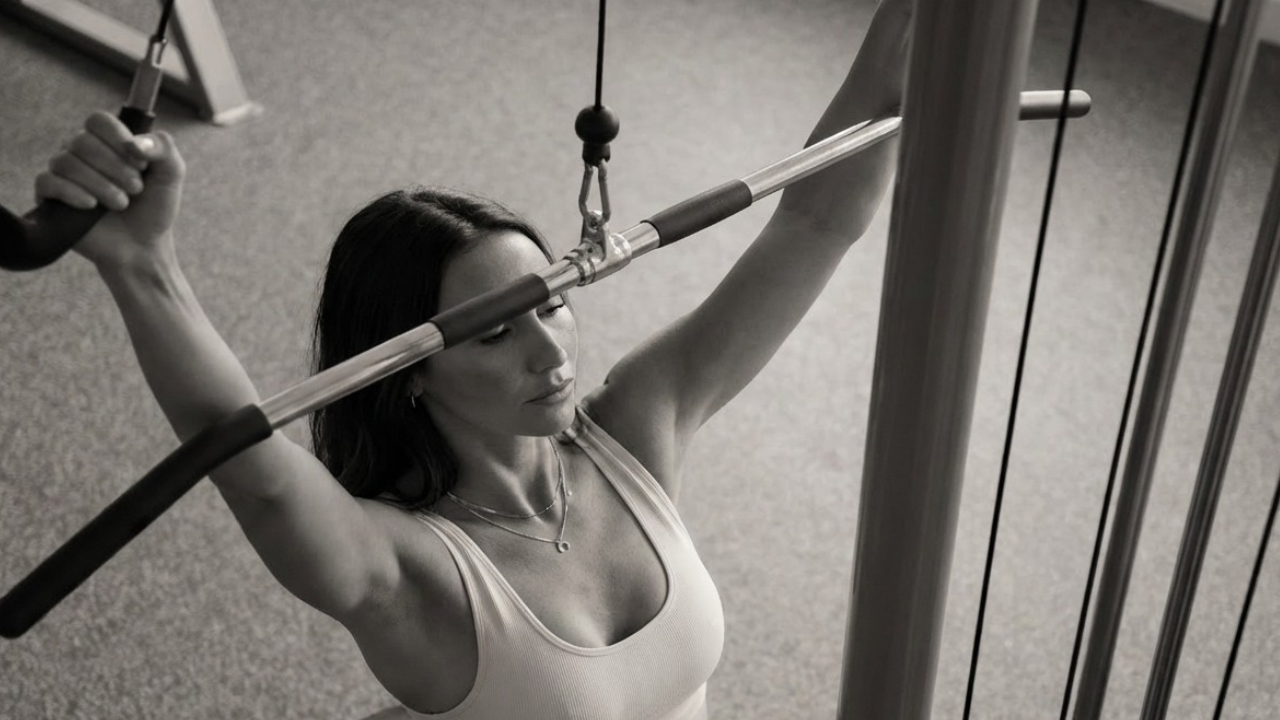
A few well-structured sessions a week, built around the basics — squatting, hinging, pushing, pulling — is enough to make a real difference. It doesn't need to be complicated. It needs to be consistent.
Cardio still matters, just not in the way you might think
High intensity has its place, but it isn't the whole picture. A large portion of your cardiovascular work can and probably should be low to moderate intensity. Brisk walks, steady cycling, a comfortable jog. Movement that feels sustainable, even on the days when motivation is low.
The goal is building a base over time, not chasing exhaustion. Your heart and lungs respond to regular, steady work just as much as they do to intervals. Sometimes more.
Mobility is the thing people skip and later regret
It tends to get squeezed out at the end of a workout when time is short, or dropped from the plan entirely. But maintaining range of motion matters more than most fitness content lets on.
It reduces injury risk, supports better movement patterns, and keeps everyday tasks feeling easy rather than effortful. A few minutes of dynamic movement before training, or a single shorter session each week focused on mobility, is enough to notice a difference. It compounds quietly in the background.
Rest is doing something
This one is still surprisingly hard to internalise in a culture that rewards output. But the body adapts during recovery, not during the session itself. Muscles repair, energy systems rebalance, the nervous system settles.
Sleep is the non-negotiable underneath all of it. It affects performance, mood, immunity, and how well your body actually responds to training. Rest days aren't gaps in the plan. They're part of it.
Consistency is the thing that actually moves the needle
Not the perfect programme. Not the most intense sessions. Just showing up regularly, including on the days when you can only do something small.
A shorter workout counts. A walk counts. A lighter session counts. Over months and years, those choices accumulate into something that a single intense period of training never quite manages to build.
What this actually looks like in real life
Your body will change. Your schedule will shift. What worked at one stage of life won't necessarily work at the next, and that's not failure. Training for long-term health means letting your approach evolve alongside you rather than holding it fixed.
There will be periods where you can push harder and periods where you need to pull back. Both are useful. Neither cancels the other out.
And somewhere in that process, something tends to shift in how exercise feels. Less like a form of control, more like a form of care. Less obligation, more support. It becomes something you do for your body rather than to it, which turns out to make it considerably easier to keep doing.
This article is for informational and educational purposes only. Please consult a qualified medical or fitness professional before beginning a new training programme.
Stay connected with news and updates!
Join our mailing list to receive the latest news and updates from our team.
Don't worry, your information will not be shared.
We hate SPAM. We will never sell your information, for any reason.