What to Eat on Your Period for Comfort, Energy, and Balance
May 08, 2026Your body is not asking you to be disciplined right now. It is asking to be fed.
There is a particular kind of advice that tends to surface around periods, and it often feels overly structured, slightly clinical and not especially aligned with how you actually feel when you are in the middle of one. Most people are not thinking about optimisation or perfectly balanced meals when they are tired, bloated and craving something warm and comforting. What tends to work far better is a more intuitive approach, one that supports your body rather than trying to control it.
Your period is not just a minor monthly inconvenience. It is a physiological process that places real demands on your body. Hormone levels drop, the uterus contracts, inflammation can rise and you lose blood, which means losing nutrients like iron. All of this can leave you feeling physically depleted and emotionally out of sync. Food will not solve everything, but it can make a meaningful difference in how you feel, if you approach it with the right mindset.
Start Here: Think Nourishment, Not Restriction
The most helpful shift you can make is to move away from restriction and towards nourishment. During your period, your body is not asking you to eat less or be more disciplined. It is asking to be supported, replenished and steadied.
In practical terms, that often looks like food that is warm and easy to digest, rich in minerals and nutrients, grounding rather than overly stimulating. When you start from this place, your choices tend to feel simpler and far more natural.
Iron-Rich Foods: For the Kind of Tiredness Sleep Does Not Fix
That heavy, low-energy feeling during your period is not imagined. Because you are losing blood, your iron levels can drop and this directly affects how your body produces energy and transports oxygen. Including iron-rich foods consistently across a few days can help your body as it rebuilds. This is less about a single meal and more about showing up for yourself repeatedly, which, when you think about it, is what the whole routine is about.
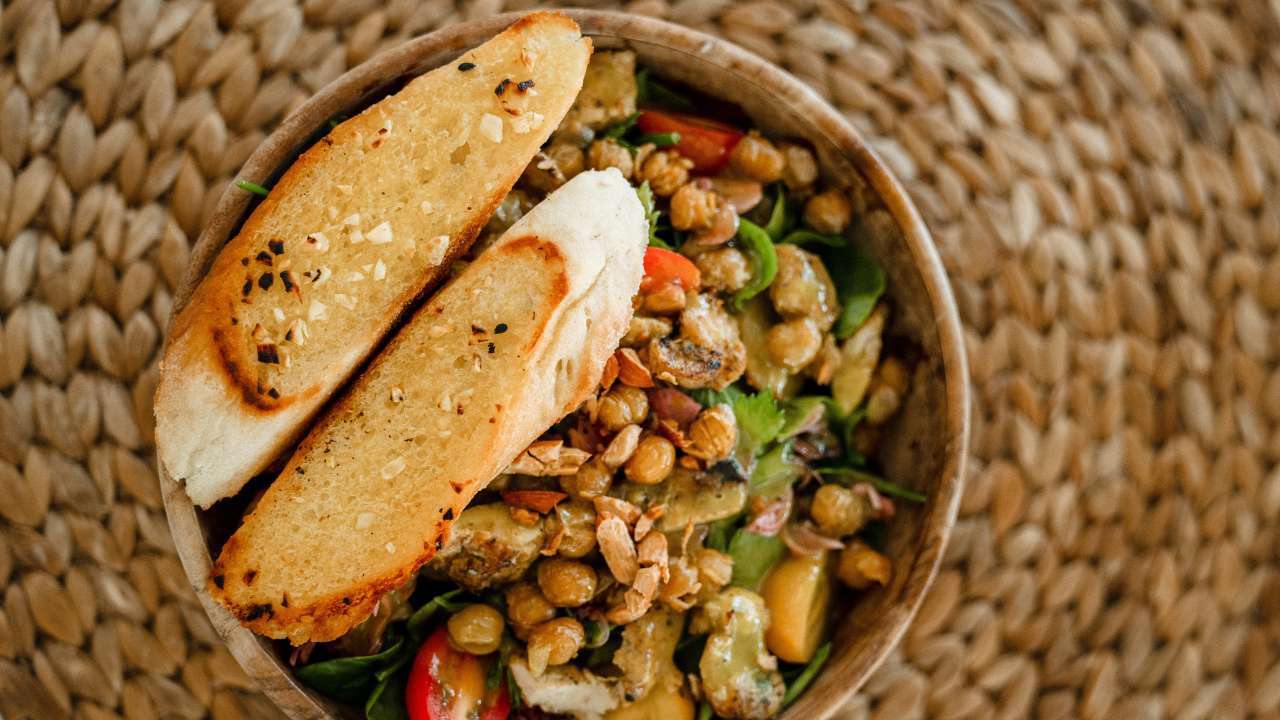
Lentils, chickpeas and beans are brilliant and accessible options. Dark leafy greens like spinach and kale, tofu and tempeh, pumpkin and sesame seeds, and red meat or poultry if you eat it, all contribute meaningfully. It also helps to pair these foods with sources of vitamin C, such as citrus fruits or tomatoes, because this improves iron absorption significantly.
Magnesium-Rich Foods: Easing Cramps and Supporting Your Mood
Cramps are, at their core, muscle contractions, which is why magnesium can be so helpful during this phase of your cycle. It supports muscle relaxation and plays a role in calming a nervous system that can feel more sensitive than usual. Interestingly, many magnesium-rich foods are the ones people tend to crave most during their period, which suggests your body may already be signalling exactly what it needs.
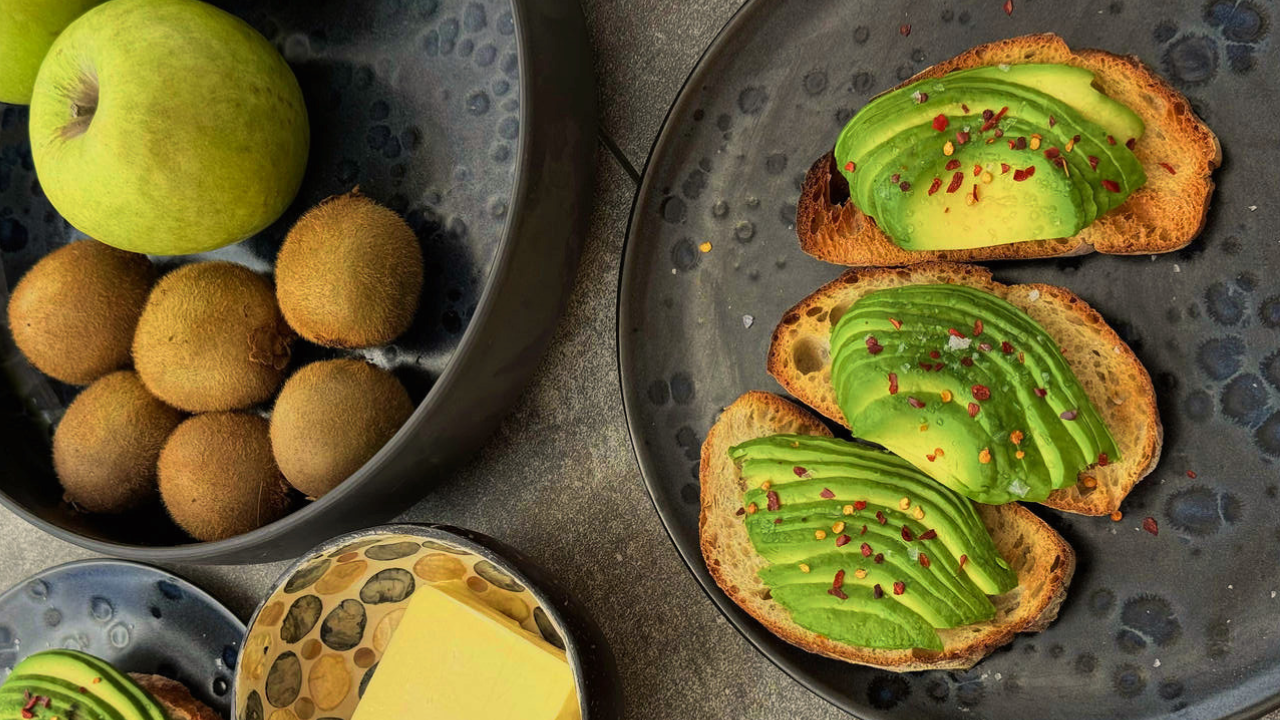
Dark chocolate at around 70% or higher, almonds and cashews, avocados, bananas and whole grains are all rich in magnesium. Rather than resisting these cravings and feeling guilty for having them, it is far more useful to respond to them in a balanced way. Your body is not sabotaging you. It is communicating with you.
Omega-3 Fats: Gently Reducing Inflammation
Period pain is partly driven by inflammation, and omega-3 fatty acids can help reduce that response over time. While they are not a quick fix, they can make symptoms feel more manageable and create a more supportive baseline for your cycle overall.
Oily fish such as salmon, sardines and mackerel are excellent sources. Chia seeds, flaxseeds and walnuts are brilliant plant-based options. This is about long-term support rather than immediate relief, but consistency here adds up in ways that become noticeable across cycles.
Complex Carbohydrates: For Steady, Grounded Energy
Craving carbohydrates during your period is completely normal. Hormonal shifts affect both your energy levels and your mood, and your body is looking for fuel it can rely on. The key is choosing carbohydrates that provide a slow, steady release of energy rather than a quick spike followed by the kind of crash that makes everything feel harder than it needs to.
Porridge oats are one of the best choices you can make. Brown rice, quinoa, sweet potatoes and wholegrain bread all fall into this category too. These foods help you feel more stable throughout the day, both physically and emotionally, and that stability matters enormously when your body is already working hard.
Hydration: Supporting Your Body Through Bloating
Bloating is one of the more frustrating symptoms of a period and it can feel counterintuitive to focus on hydration when your body already feels like it is holding onto fluid. However, staying well hydrated actually helps regulate fluid balance and can reduce that uncomfortable, heavy swelling rather than worsen it.
Water-rich foods like cucumber, watermelon and celery are a gentle way in. Herbal teas such as ginger, peppermint or chamomile feel soothing and genuinely support digestion. Warm drinks in particular can feel more comforting and are often easier to maintain consistently. A flask of ginger tea on your desk is a small act of care that costs almost nothing.
What to Ease Back On (Without Strict Rules)
There is no need for rigid restrictions and applying them tends to create more stress than the symptoms they are meant to address. That said, some foods can make symptoms feel more intense and paying attention to how your body responds is always worthwhile.
Very salty foods can increase bloating. High-sugar snacks can lead to the kind of energy fluctuations that make your mood feel unpredictable. Excess caffeine may worsen cramps or heighten anxiety. Alcohol can disrupt sleep and increase fatigue at a time when your body is already asking for rest. None of this means cutting things out entirely. It simply means noticing, with curiosity rather than judgement.
A Realistic Way to Approach Eating During Your Period
A supportive way of eating during your period does not need to be complicated or meticulously planned. It can be as simple as building your meals around foods that feel warm, nourishing and satisfying.
You might start your day with porridge topped with fruit and a little dark chocolate. A balanced lunch with grains, vegetables and a source of protein keeps energy steady through the afternoon. A snack that does not send your blood sugar on a rollercoaster. A warm, filling dinner that feels like a genuine act of self-care. Alongside all of this, you stay hydrated and you allow space for comfort where you genuinely need it, without the accompanying guilt
There is no perfect way to eat during your period and trying to follow strict rules often creates more stress than benefit. What matters far more is that you are responding to your body with care and awareness, the same way you would respond to a friend who was having a hard few days.
When you focus on replenishing iron, supporting muscle relaxation with magnesium, reducing inflammation with omega-3 fats and stabilising energy with complex carbohydrates, you are creating a foundation that helps your body move through this phase with a little more ease.
And sometimes that also includes choosing the foods that simply make you feel better in the moment. Because that is just as important. Actually, on some days, it is the most important thing of all.
Listen to your body. It has been trying to tell you what it needs all along.
Stay connected with news and updates!
Join our mailing list to receive the latest news and updates from our team.
Don't worry, your information will not be shared.
We hate SPAM. We will never sell your information, for any reason.