
Wellness Habits to Keep for the Rest of the Year
Aug 07, 2026The conversation around healthy habits tends to spike in January, fuelled by fresh motivation and a clean slate. But true wellness is rarely about a single burst of inspiration. It is built quietly, through choices that still feel sustainable long after the excitement has faded. With the final stretch of the year ahead, the darker evenings, the busier calendar, the pull towards putting everything off until January, this is the moment that tests a habit rather than the moment that starts one. Which makes it the ideal time to return to the foundations that support your energy, your balance and your wellbeing.
Rather than reaching for extremes or perfection, the most effective approach to wellness is rooted in consistency, self-awareness and intention. These are not trends to cycle through before the new year. They are practices you can carry with you through every season, including the one that asks the most of you.
Choose consistency with movement over intensity
Movement is one of the most powerful habits available to you, and one of the most misunderstood. It is easy to believe that results only come from punishing workouts or rigid routines. In reality, consistency matters far more than how hard or how long you train.
Daily walks, gentle strength work, stretching, yoga and mobility all support your body and your mind when they are practised regularly. Consistent movement supports circulation, joint health, mood and metabolic balance, and it eases the pressure that so often leads to burnout or injury. This matters even more in the colder months, when the instinct is to hibernate and wait for spring. When movement feels approachable, it becomes something you return to naturally, even on a dark November evening. That steady relationship with your body builds resilience over time, and lets fitness fit into your life rather than compete with it.
Eat with intention and reach for whole foods
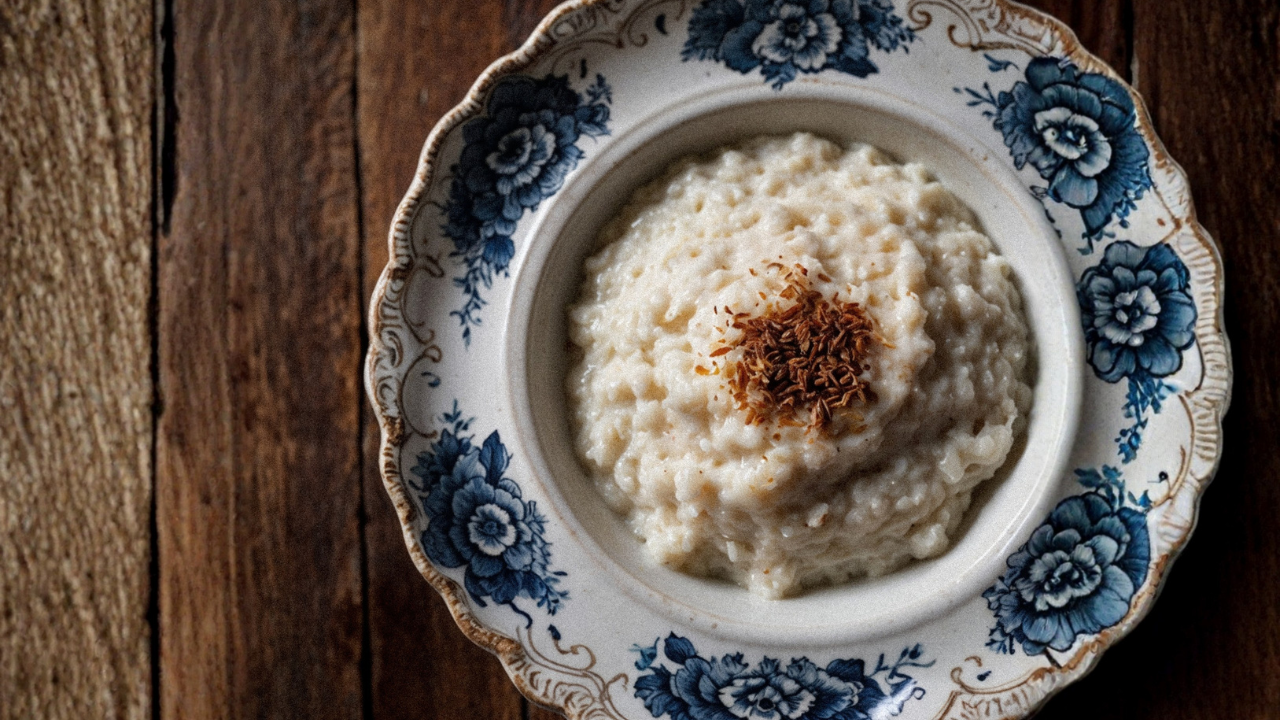
Nutrition is another cornerstone of feeling well, and one that can quickly become overwhelming, particularly as the season fills with gatherings and comfort food. Eating with intention simply means slowing down and choosing food that nourishes you rather than restricts you.
Whole foods are the foundation. Fruit, vegetables, quality proteins, healthy fats and minimally processed carbohydrates give your body what it needs to function well. When your meals are built around these, your energy steadies, your digestion settles and cravings tend to soften on their own. Intentional eating also means noticing how food makes you feel, rather than following rigid rules. Over time, that awareness builds trust, and helps you make choices that honour both your health and your enjoyment, festive tables included.
Let the eighty-twenty approach hold the balance
Sustainable habits leave room for flexibility, and the last months of the year need that room more than any. The eighty-twenty approach is a mindset that invites balance instead of perfection. Around eighty per cent of the time, your choices support nourishment, movement, rest and clarity. The remaining twenty per cent leaves space for enjoyment, spontaneity and connection.
This is the thinking that dissolves the all-or-nothing trap, the one that quietly derails so many wellness goals somewhere between the first party and the new year. It accepts that life includes celebrations, travel, comfort food and days where structure takes a back seat. When flexibility is built into your habits, consistency comes more easily and guilt loses its grip. Balance is what turns wellness into something you live with, rather than something you are forever trying to maintain.
Find time to rest without guilt
Rest is one of the most overlooked habits of all, and one of the easiest to abandon as the diary fills up. In a culture that rewards productivity, rest can feel unearned. In truth it is a biological necessity, not an indulgence.
Quality rest supports hormone balance, immune function, focus and emotional steadiness, all of which are worth protecting as the season demands more of you. That means adequate sleep, but it also means mental rest and small moments of stillness through the day. It might look like setting boundaries around work, easing off screens in the evening, or simply allowing yourself a quiet moment with nothing to do. When rest becomes a habit rather than a response to exhaustion, your body answers with more energy and more resilience.
Listen to your body as a signal for change
Perhaps the most important habit of all is learning to listen to your own body. Fatigue, tension, shifting moods, cravings and dips in motivation are not inconveniences to push through. They are signals worth reading, and the pace of the coming months will give you plenty to read.
Wellness evolves as life changes. What served you in summer may not feel supportive in the depths of winter, and that is not a failure but information. By paying attention to your body's feedback, you can adjust your movement, food, rest and routines before imbalance tips into burnout. That internal awareness builds self-trust. It lets you make changes with compassion rather than criticism, until listening becomes intuitive and your habits feel personal rather than prescribed.
Carrying your habits into the new year
The most lasting wellness routines are never built on intensity or rigid control. They are built on consistency, intention, balance, rest and self-awareness, and they support far more than physical health. They steady your clarity, your confidence and your emotional footing through the busiest, and often the hardest, part of the year.
As these final months unfold, notice which habits feel supportive and which ones feel forced. Wellness has never been about doing more. It is about doing what aligns with your body and your life right now. Care for yourself through the last five months of the year, and you will not need a fresh start in January. You will simply carry on.
Stay connected with news and updates!
Join our mailing list to receive the latest news and updates from our team.
Don't worry, your information will not be shared.
We hate SPAM. We will never sell your information, for any reason.