The habits quietly holding you back
Aug 28, 2026Self-sabotage rarely looks dramatic. It is usually a set of small, familiar habits that quietly wear you down, in your head, in your days and at the table. This is not about cutting yourself down for having them. It is about noticing the ones that cost you more than they give, and gently letting them go.
In your head
Notice how you speak to yourself. A simple test helps: would you talk to a friend the way you talk to yourself, and if the answer is no, that is the voice to soften. So much of what drains us here is habit rather than truth: comparing your insides to everyone else's highlight reel, brushing off compliments, saying yes when you mean no, and turning small things over long after they deserve it. The gentler alternatives are within reach, from challenging an unkind thought rather than believing it, to letting yourself accept a compliment, to keeping a note of the things you are grateful for. It also helps to be kind to yourself when the self-critical voice starts, and to resist hiding away when you feel low, since avoidance only reinforces the doubt. And staying connected to the people around you, and doing small things for others, is quietly one of the most reliable ways to feel better.
How you live
The body keeps the score of a hundred small neglects. Skimping on sleep to get ahead, never scheduling time for yourself, overcommitting until you are running on empty, and gripping tightly to outcomes you were never going to control. None of it is dramatic, which is exactly why it adds up. Protect your sleep first, since almost everything else runs better on the back of a proper night. Build in time to look after yourself rather than waiting for a free week that never arrives, and practise saying no before the resentment sets in. Loosen your hold on what you cannot control, and where something has gone wrong, own your part instead of reaching for blame. Rest is not the reward for looking after yourself. It is part of it.
How you eat
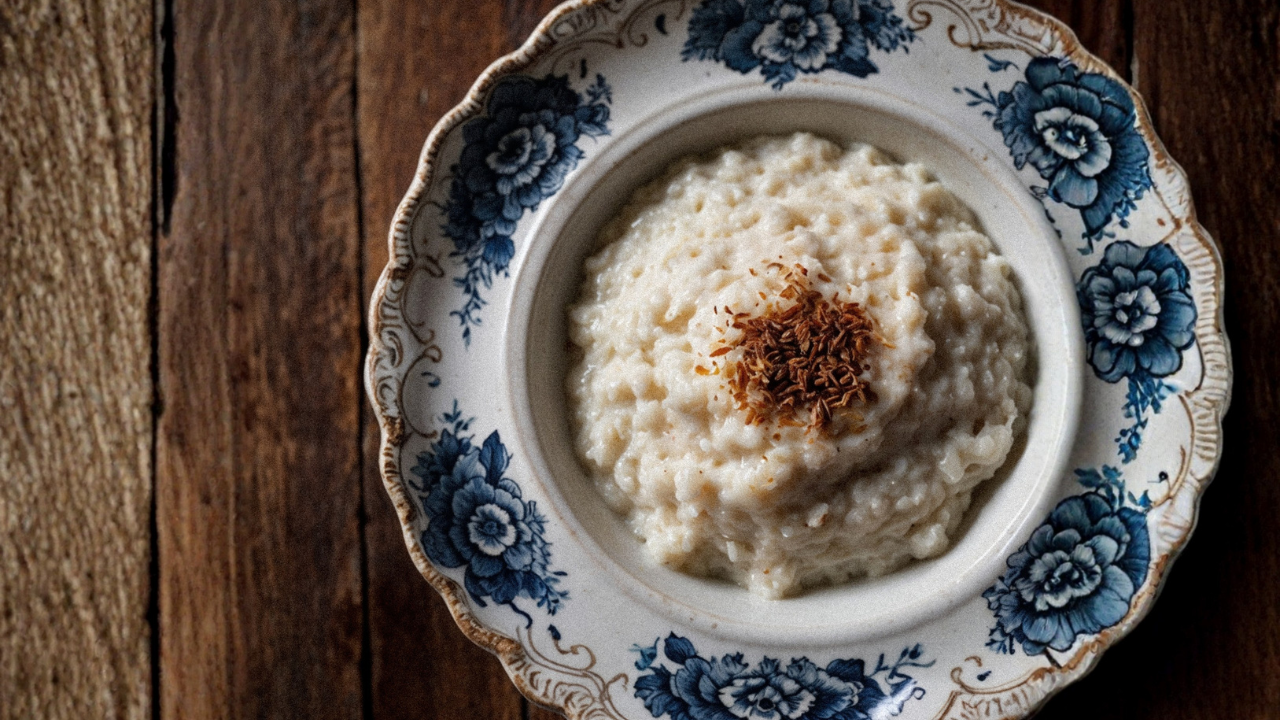
Eating well is less about rules than rhythm. The habits that quietly work against you are the familiar ones: skipping meals then arriving ravenous, eating so fast you miss the moment you are full, leaning on processed food by default, and reaching for something when the feeling is really stress or boredom. The steadier path is gentler than any diet. Eat regularly, slow down enough to notice hunger and fullness, drink enough water, and plan loosely so the good choice is the easy one. Above all, stop sorting food into good and bad. The British Dietetic Association points out that demonising whole food groups and overriding your hunger and fullness cues tends to set off the very cycle of loss and regain you are trying to avoid, and frays your relationship with food along the way. Think about your diet as a whole, with variety and balance, rather than any single meal or number.
None of this is about doing more. It is the opposite. It is about putting down the habits that quietly hold you back, one at a time, and letting a little more ease in. Reset, nourish, thrive.
Stay connected with news and updates!
Join our mailing list to receive the latest news and updates from our team.
Don't worry, your information will not be shared.
We hate SPAM. We will never sell your information, for any reason.