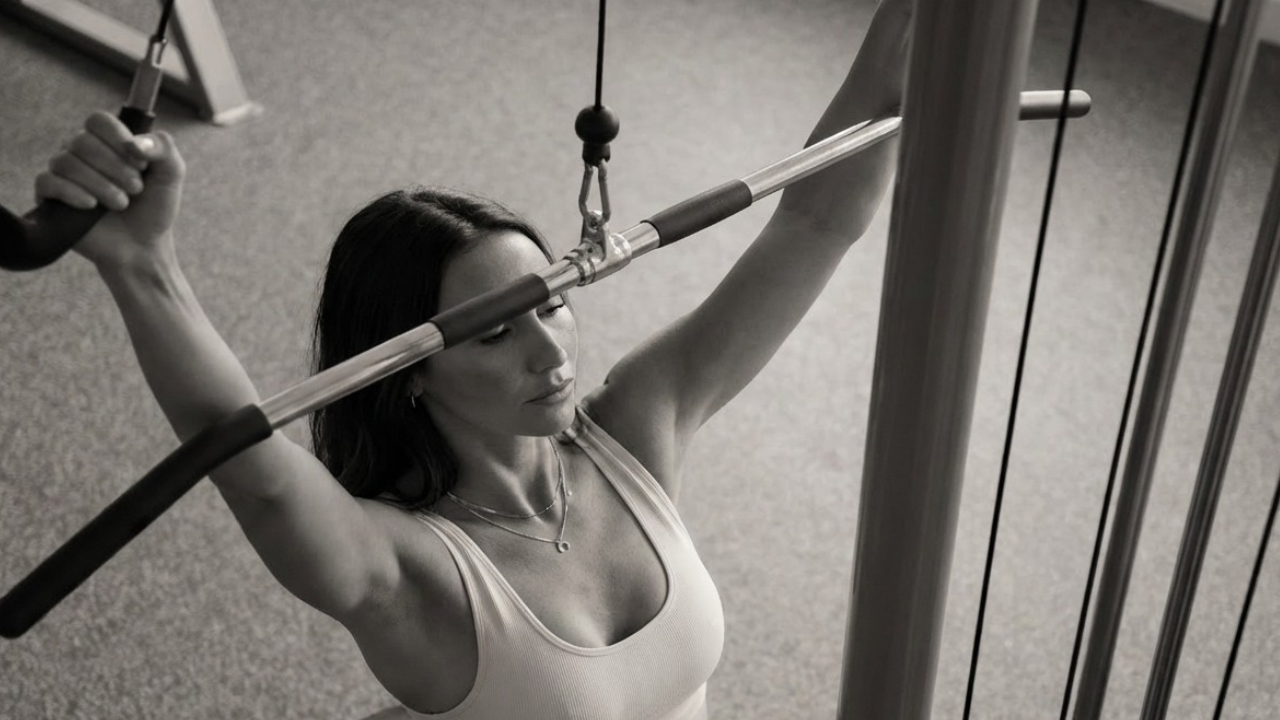

The Recovery Routine That Actually Works While You Sleep
Jun 19, 2026The work you do in the gym builds the potential. Recovery is where it actually becomes something.
Your body does not get stronger during the session. It gets stronger afterwards, when it has the resources, the time and the conditions to repair and rebuild. Without that second half of the equation, training harder simply means breaking down faster.
Here is what an effective post-workout recovery routine actually looks like.
1. Cool Down and Stretch
Five to ten minutes of intentional movement at the end of every session changes what happens in the hours that follow. Light movement helps clear lactic acid and prevents the kind of stiffness that makes the following morning feel brutal. Deep breathing activates the parasympathetic nervous system and begins to bring cortisol, which spikes during training, back down. It does not need to be elaborate. It just needs to happen.
2. Hydrate and Replenish
Most women underestimate how much a hard session depletes them. Aim for 500 to 750ml of water immediately after training and add electrolytes if your session was intense or particularly sweaty. Sodium, potassium and magnesium are all lost through sweat and all directly tied to how well you recover, how your muscles feel the next day and how well you sleep that night.
3. Refuel Within 60 Minutes
What you eat after training has a disproportionate effect on how your body recovers and how your hormones rebalance. Aim for 20 to 30g of protein to begin muscle repair, 30 to 50g of complex carbohydrates to replenish glycogen and healthy fats to support hormone production. Anti-inflammatory additions like turmeric, ginger, berries and dark leafy greens are worth including rather than treating as optional extras. If you consistently feel bloated, broken out or unusually fatigued after training, it is worth investigating whether a food intolerance is quietly slowing your recovery.
4. Sauna and Heat Therapy
Fifteen to twenty minutes of heat exposure post-training or later in the evening increases blood flow to muscles, accelerates nutrient delivery to the tissues that need repair and stimulates the release of growth hormone, the hormone most directly responsible for muscle adaptation. Regular sauna use is also linked to improved sleep quality and reduced systemic inflammation over time. No sauna access? A warm bath with magnesium flakes is significantly more effective as a recovery tool than most people give it credit for.
5. Active Recovery the Following Day
The day after a hard session, light movement keeps blood circulating to the muscles that are actively repairing, reduces stiffness and keeps your training consistent without adding to your stress load. A yoga flow, foam rolling, a gentle swim or a longer walk all count. Active recovery is not a rest day you feel guilty about. It is a functional part of how your body adapts.
6. Prioritise Sleep Above Everything Else
During deep sleep your body produces growth hormone, repairs muscle tissue and resets the hormonal environment your body needs to perform well the following day. There is no supplement or nutrition strategy that compensates for consistently poor sleep. Aim for seven to nine hours, reduce screen time before bed and consider magnesium or a short breathwork practice if sleep quality is something you struggle with.
Sleep is the final and most important session of your day.
Recovery is not optional. It is the deliberate counterpart to every training session you do, and without it the work you are putting in cannot become the results you are working towards.
Train well. Recover better. That is where the transformation actually happens.
Looking for a structured approach to training and recovery? The well-SET 10-week reset is built around your body and your life.
Stay connected with news and updates!
Join our mailing list to receive the latest news and updates from our team.
Don't worry, your information will not be shared.
We hate SPAM. We will never sell your information, for any reason.