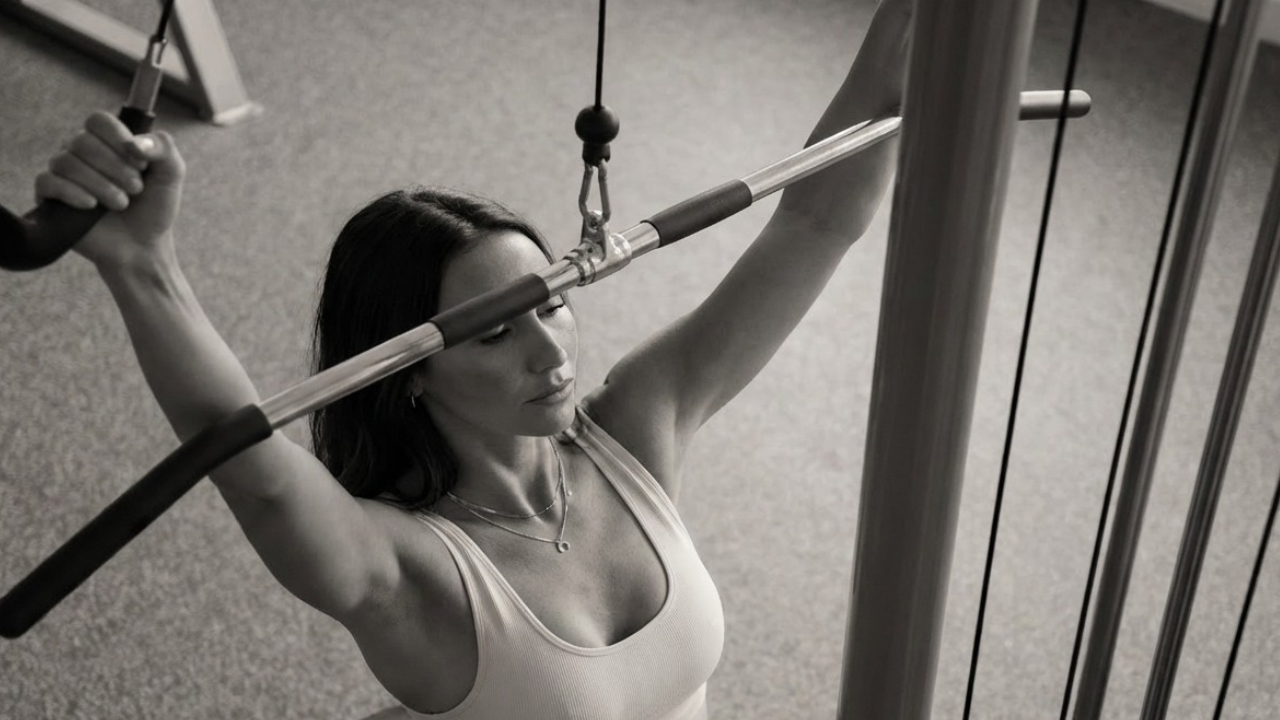
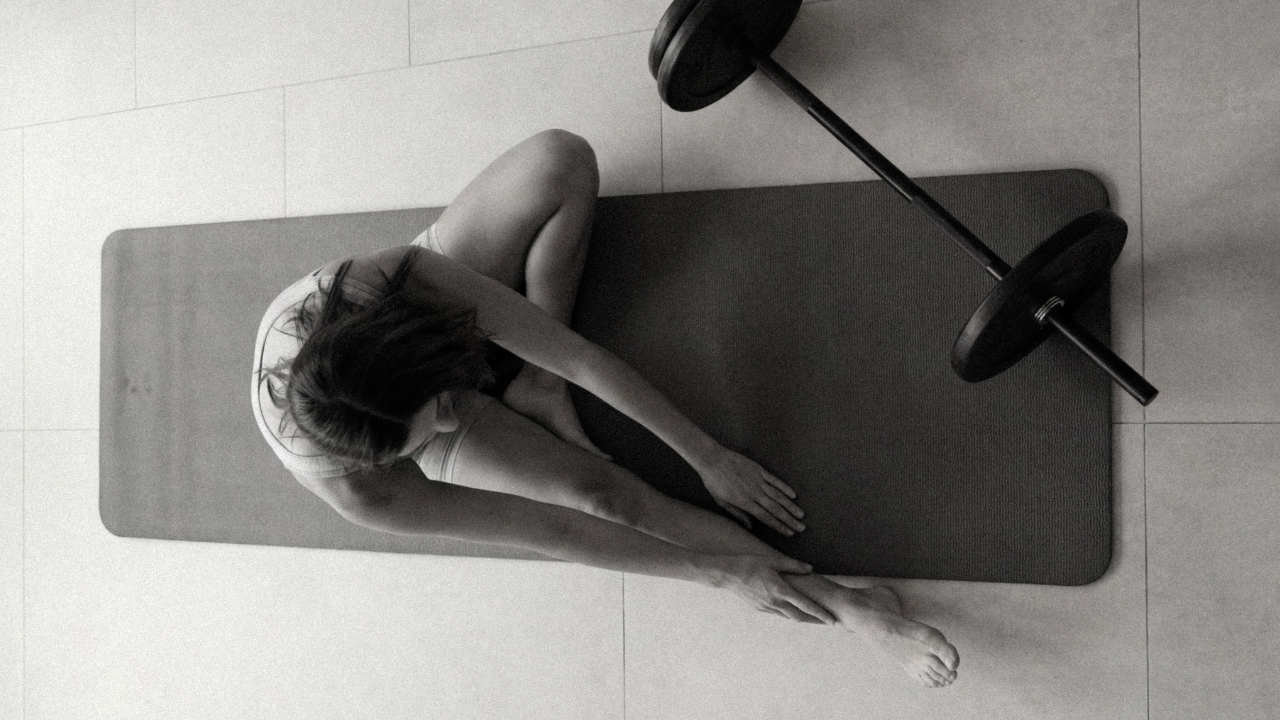
How To Train Like An Athlete When You Work A 9-To-5
Jul 31, 2026FYI, you don’t need to quit your job to train like an athlete
Fitness content is great. It’s motivating, inspiring, sometimes even informative. But fitness content can also make you feel as though you’re already behind before you’ve even laced up your trainers.
The influencer who starts their day with a sunrise run, an ice bath, a 90-minute gym session and a perfectly balanced breakfast. The professional athlete documenting their double training sessions, sports massages and afternoon naps as routine.
It’s inspiring. But it’s not particularly relatable.
Because in reality, even carving out 20 mins from a day jammed with commutes, meetings and deadlines can be tricky. Some days, simply making it to the gym feels like an achievement in itself.
But here’s the thing: training like an athlete has remarkably little to do with how many hours you spend exercising.
It’s about how you think.
Elite athletes don’t become elite because every session is extraordinary. They become elite because they repeat the ordinary with extraordinary consistency. Behind every race-day highlight is an unglamorous routine of showing up, recovering well and trusting a process that rarely delivers instant gratification.
According to the world’s leading sports scientists, the biggest difference between professionals and recreational exercisers isn’t motivation; it’s structure.
The majority of us tend to exercise reactively (“I’ll squeeze something in if I have time”), whereas athletes train proactively. Every session has a purpose - some are designed to build strength, some to improve endurance. Some exist simply to facilitate recovery.
Not every workout is supposed to leave you lying on the gym floor questioning your life choices. In fact, if every workout does, you’re probably working too hard. And this is something that many of us have forgotten.
Fitness culture has spent years convincing us that effectiveness can be measured in sweat patches and smartwatch calories. We chase exhaustion because it feels productive. We assume that if a workout wasn’t brutal, it somehow didn’t count.
Compare this to elite performance, which is rarely built on constantly pushing to the limit. Instead, athletes spend surprisingly large amounts of time doing work that feels… manageable.
Distance runners complete much of their weekly mileage at conversational pace (aka the dreaded “zone 2”). Cyclists accumulate hours of relatively comfortable riding. Strength athletes often leave the gym with plenty left in the tank.
The hard sessions matter. But they only work because they’re surrounded by easier ones.
Recovery, it turns out, isn’t the opposite of training. It’s part of training.
The same principle applies outside the gym.
Professional athletes don’t see sleep as a luxury. They see it as performance enhancement. Nutrition isn’t something to be earned after a workout or restricted after a weekend away. It’s the fuel that allows tomorrow’s session to happen.
Even strength training is viewed differently.
Rather than exercising to change how their body looks, athletes train to improve what their body can do. A stronger posterior chain means more power. Better mobility means fewer injuries. Greater stability means better movement efficiency.
Ironically, focusing on these performance markers often produces the aesthetic results so many people are chasing in the first place.
Of course, most of us don’t have physiotherapists on speed dial or coaches planning every workout. But that doesn’t mean we can’t adopt the same principles.
The habits that make someone train like an athlete aren’t expensive, exclusive or reserved for professionals - they’re actually deceptively simple. Turning up when motivation is nowhere to be found. Accepting that some sessions will feel average. Sleeping instead of squeezing in another workout. Choosing consistency over perfection. Understanding that fitness isn’t built in a week of intense effort but over months—and years—of quietly doing the basics well.
Perhaps the most valuable lesson elite sport has to offer isn’t how to train harder, it’s the mental strength to stop expecting every session to be extraordinary.
Your Tuesday evening strength workout after a full day at the office won’t look like an Olympian’s training camp. Nor should it.
But if you repeat it next Tuesday, and the Tuesday after that, and continue showing up long after the initial motivation has faded, you’ll have adopted the mindset that matters most.
Because training like an athlete was never about having more time.
It was about making the time you do have count.
Stay connected with news and updates!
Join our mailing list to receive the latest news and updates from our team.
Don't worry, your information will not be shared.
We hate SPAM. We will never sell your information, for any reason.