Do You Have Face Editing Dysmorphia?
Jun 05, 2026From beauty filters to Facetune, social media is changing the way we see our own faces. And face editing dysmorphia is reshaping self image online.
Tell us this hasn’t happened to you. You reach for your phone. Toggle on the camera, and switch to the front camera by accident. And then it happens. That split second of horror as you feel genuinely offended by your own face. The lighting seems hostile. Your jawline disappears. One eye suddenly looks lower than the other. You stare at the screen wondering if this is truly how people see you or whether your phone camera has launched a personal attack.
Then, instinctively, you open an editing app.
Maybe you smooth your skin slightly. Brighten under your eyes. Lift your cheekbones a fraction. Whiten your teeth. Blur the texture around your chin. Adjust the lighting. Tiny changes that feel almost invisible individually but collectively create a face that looks subtly calmer, fresher and somehow more acceptable. And of course - the edited version is the one you post.
Give it time, and that edited, *perfected* version of you becomes the one your brain starts believing you should look like all the time.
Welcome to the era of face editing dysmorphia, the quietly growing phenomenon where constant exposure to filtered and altered versions of ourselves begins distorting our real life self perception. It sits somewhere between beauty culture, technology and psychology, fuelled by apps that can now reshape a face in seconds with frightening realism.
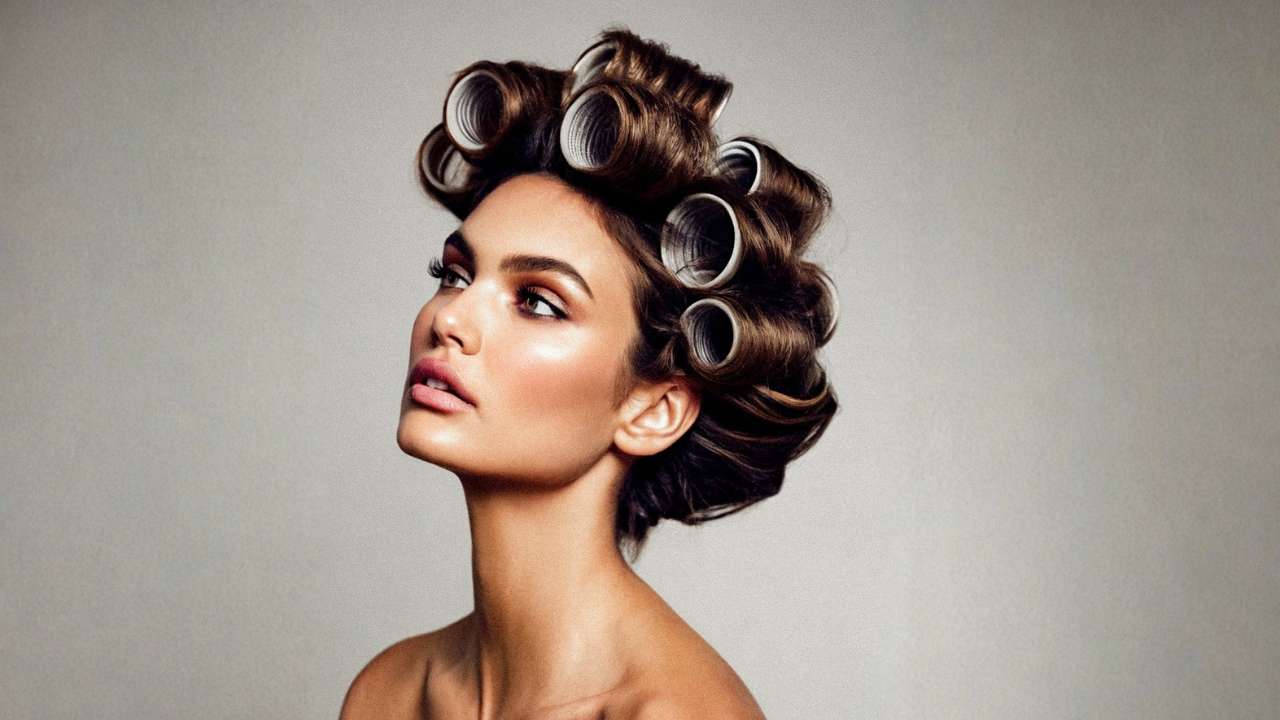
Unlike the heavy filters of the early Instagram era, modern editing is often almost undetectable. Faces are not transformed into cartoons anymore. They are simply refined. Skin becomes smoother but still textured enough to look believable. Lips appear slightly fuller. Eyes subtly brighter. Bone structure a little sharper. The edits are designed not to look fake but to look like an improved version of reality. Which is precisely why they are so psychologically powerful.
The issue is no longer just comparison with celebrities or influencers. People are now comparing themselves to edited versions of themselves. Your own face becomes the beauty standard you cannot quite meet offline.
And because the changes happen gradually, many people do not even realise how much their perception has shifted until they see an unedited photo and genuinely dislike it.
Beauty filters have become so integrated into modern communication that they barely register as filters anymore. Video calls smooth skin automatically. Ever wondered why an Insta selfie just hits better than a regular camera one? That’s because social media cameras adjust facial proportions in real time. Casual selfies are rarely untouched, and what once felt performative, and something-the-influencers-did now feels perfectly normal.
Human brains adapt quickly to repeated imagery. The more often you see an altered version of your face, the more familiar and emotionally comfortable it becomes. Eventually, your natural face can start looking unusually tired, asymmetrical or unfinished by comparison.
The rise of TikTok and hyper visual social media has intensified this dramatically. Previous generations mostly encountered edited images in magazines, where the distance between celebrity culture and ordinary life still existed. Now though, everyone participates in image editing culture daily. Teenagers edit school photos. Adults edit holiday pictures. Friends edit group selfies before posting them publicly.
And the narrative is no longer perfection. It is optimisation.
There is also an unsettling overlap emerging between cosmetic tweakments and filter culture. Aesthetic clinics increasingly report clients bringing in filtered selfies as references for treatments, asking for smoother skin, lifted eyes or sharper jawlines that mirror digitally altered versions of themselves. Cosmetic surgeons have even coined terms around this phenomenon, where people pursue procedures designed to replicate filtered appearances offline. The irony is that most faces online do not actually look like that in real life either.
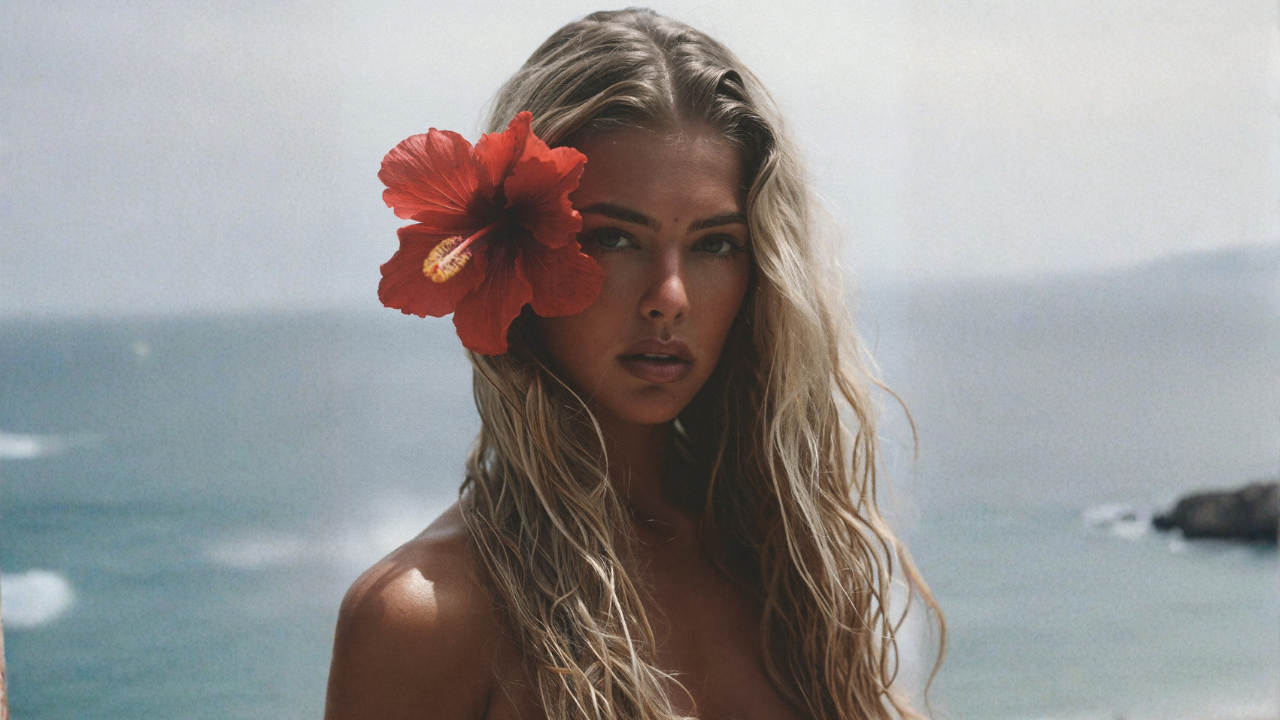
Take the Influencers and celebrities who appear effortlessly flawless on social media. More often than not, they look entirely normal in paparazzi shots, tagged photos or videos filmed in natural lighting. Yet the emotional impact of seeing perfected images repeatedly still shapes how people evaluate themselves. Intellectually, many know filters are not reality. Emotionally, the comparison still lands.
For the first time in history, we are seeing human faces almost constantly. Previous generations might occasionally glance in mirrors or see photographs sporadically. Now, people encounter their own image constantly through front facing cameras, social platforms, work meetings and content creation. We are spending unprecedented amounts of time analysing our faces from angles no one naturally sees in real life.
It becomes difficult not to develop hyper awareness.
Tiny asymmetries suddenly feel enormous. Normal skin texture feels problematic. Expressions become scrutinised. Ageing becomes magnified. People begin treating their own faces less like living, expressive human features and more like visual projects requiring constant maintenance.
The modern beauty ideal is no longer obviously filtered. It is “naturally perfect”. Glowy skin without visible effort. Sculpted features that somehow appear effortless. Minimal makeup requiring maximum maintenance. The aesthetic is designed to look attainable while remaining quietly unrealistic.
And perhaps that is why face editing dysmorphia feels so pervasive. It does not always announce itself dramatically. Sometimes it appears as a small hesitation before posting a photo without editing. A reluctance to use the back camera. A growing discomfort with seeing your own face in natural lighting. Tiny moments that accumulate quietly over time.
The problem is not vanity. Humans have always cared about appearance. The problem is the increasing difficulty of recognising what an actual human face even looks like anymore.
Real faces move. They crease. They have pores, shadows and asymmetry. They change depending on lighting, sleep, hormones and emotion. They were never meant to appear airbrushed twenty four hours a day.
And despite everything social media suggests, most people do not actually remember others for perfect bone structure or permanently smooth skin. They remember warmth. Energy. Expression. Confidence. Presence. The things filters still cannot fully manufacture.
Perhaps the healthiest thing we can do now is learn to spend slightly less time staring at our own reflections through algorithmically perfected screens.
Because at some point, the edited version stops being aspirational and simply becomes impossible to live up to.
Even for the person who created it.
Stay connected with news and updates!
Join our mailing list to receive the latest news and updates from our team.
Don't worry, your information will not be shared.
We hate SPAM. We will never sell your information, for any reason.