Are red light workouts getting the green light?
Jul 17, 2026Are red lights a fitness cheat code, or an over-hyped fad?
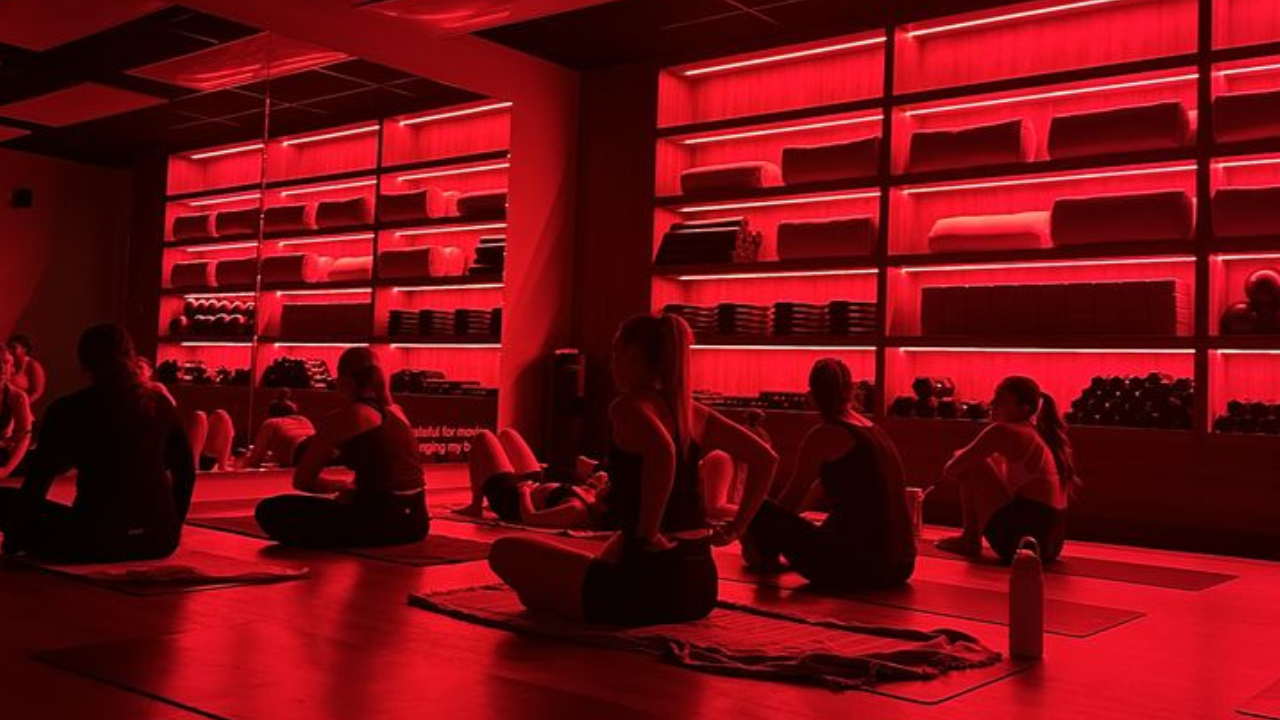
Walk into one of the latest boutique fitness studios and you might notice something unexpected. The familiar bright lights have been replaced with a warm crimson glow, creating an atmosphere that feels somewhere between a luxury spa and a futuristic wellness clinic. Red light workouts are quickly becoming one of the most talked about fitness trends, promising everything from faster recovery and better performance to healthier skin and improved wellbeing. But is this simply another wellness craze with a beautiful aesthetic, or is there genuine science behind the glow?
The growing fascination with red light workouts reflects a wider shift in how we approach exercise. It is no longer just about burning calories or chasing personal bests. Recovery, longevity and supporting the body on a cellular level have become just as important as the workout itself. Red light therapy has already gained a loyal following in the skincare world, where it is widely used to support collagen production and reduce inflammation. Now, fitness enthusiasts are wondering whether combining it with movement can amplify those benefits.
Red light therapy works by exposing the body to specific wavelengths of red and near infrared light. Unlike ultraviolet light from the sun, these wavelengths do not damage the skin. Instead, they penetrate into the body’s tissues, where they are believed to interact with the mitochondria, often referred to as the powerhouses of our cells. The theory is that this process may help cells produce energy more efficiently, supporting repair, recovery and overall function.
When we work out, muscles engage in controlled stress. And when we recover, muscles repair and grow stronger. And an increasingly support train of thought is that red light therapy may help support this process, reducing muscle soreness and decreasing inflammation.
Many studios offering red light workouts position them as an all in one wellness experience. Classes often combine strength training, Pilates, yoga or functional fitness with carefully calibrated red light panels surrounding the room. The result is a workout that feels noticeably different from a conventional gym session. The softer lighting creates a calmer atmosphere, encouraging participants to focus on movement rather than mirrors or distractions.
There is also an undeniable psychological appeal. Warm red lighting feels restorative and relaxing, transforming the workout environment into something that resembles a wellness retreat rather than an intimidating fitness space. While the lighting itself may not dramatically increase calorie burn or muscle growth, the experience can encourage consistency, which remains one of the most important factors in achieving long term fitness results.
One of the biggest questions surrounding red light workouts is whether exercising under red light provides greater benefits than using red light therapy before or after training. At present, there is no clear scientific consensus that combining the two is significantly more effective than treating them separately. Most existing research focuses on red light therapy used immediately before or after exercise rather than during the workout itself.
Some studies suggest that exposure before training may prepare muscles for exercise, potentially improving endurance or reducing fatigue. Others indicate that post workout sessions could help minimise delayed onset muscle soreness and support recovery. However, the differences are often modest, and more large scale, high quality research is needed before definitive conclusions can be drawn.
That does not mean the trend lacks value. Even if the physiological benefits are still being explored, many people report feeling more relaxed, more motivated and more consistent with their exercise routines when attending red light classes. Creating an environment that people genuinely enjoy returning to should not be underestimated, particularly when regular movement remains one of the most powerful contributors to overall health.
There are also potential beauty benefits that have helped drive the popularity of red light workouts, particularly among wellness conscious consumers. Red light therapy has been studied for its ability to support collagen production, improve skin texture and reduce the appearance of fine lines over time. While a fitness class is unlikely to replace a dedicated clinical treatment, regular exposure may complement an existing skincare routine.
This crossover between beauty and fitness reflects the growing demand for experiences that deliver multiple benefits at once. Today’s wellness consumer is looking for efficiency, seeking treatments and workouts that support physical performance, mental wellbeing and skin health within the same hour.
It is important, however, to separate realistic expectations from marketing claims. Red light workouts are not a shortcut to dramatic weight loss, instant muscle gain or overnight transformation. They cannot replace structured training, balanced nutrition, adequate sleep or effective recovery habits. Any studio suggesting otherwise should be approached with caution.
The quality of the equipment also matters. Clinical red light therapy uses carefully controlled wavelengths and intensities that differ significantly from decorative red lighting. Simply exercising in a room illuminated with red coloured bulbs does not provide the same therapeutic effect. Purpose built red light panels are designed to deliver the wavelengths studied in scientific research, making them very different from ambient lighting chosen purely for atmosphere.
For most healthy adults, red light therapy is considered safe when used appropriately. Unlike tanning beds, it does not expose the skin to harmful ultraviolet radiation. Nevertheless, anyone with certain medical conditions, taking medications that increase light sensitivity or managing specific eye conditions should seek medical advice before beginning treatment. Protective eyewear may also be recommended depending on the equipment being used.
Perhaps the biggest reason red light workouts have captured so much attention is that they represent the evolution of modern fitness. Exercise is becoming less about punishment and more about feeling good, recovering well and investing in long term health. The appeal lies not only in what happens during the workout but in the ritual surrounding it.
Whether red light workouts become a permanent fixture within the fitness industry remains to be seen. As research continues to evolve, we will gain a clearer understanding of exactly where this technology fits into performance and recovery. For now, the evidence suggests there may be genuine benefits, particularly for muscle recovery and overall wellbeing, even if some of the more ambitious claims remain unproven.
If you are curious, there is little harm in trying a red light workout with realistic expectations. View it as an enhancement rather than a miracle solution. The best fitness routine will always be the one you enjoy enough to do consistently, and if a room bathed in a calming red glow helps you show up, move your body and prioritise recovery, that may be one of its greatest strengths.
Stay connected with news and updates!
Join our mailing list to receive the latest news and updates from our team.
Don't worry, your information will not be shared.
We hate SPAM. We will never sell your information, for any reason.