Have we reached peak Pilates?
Jun 19, 2026Before the birth of the Pilates Princess, humble pilates was a little-spoken, low-impact practice for people who wanted something with a little more bite than yoga.
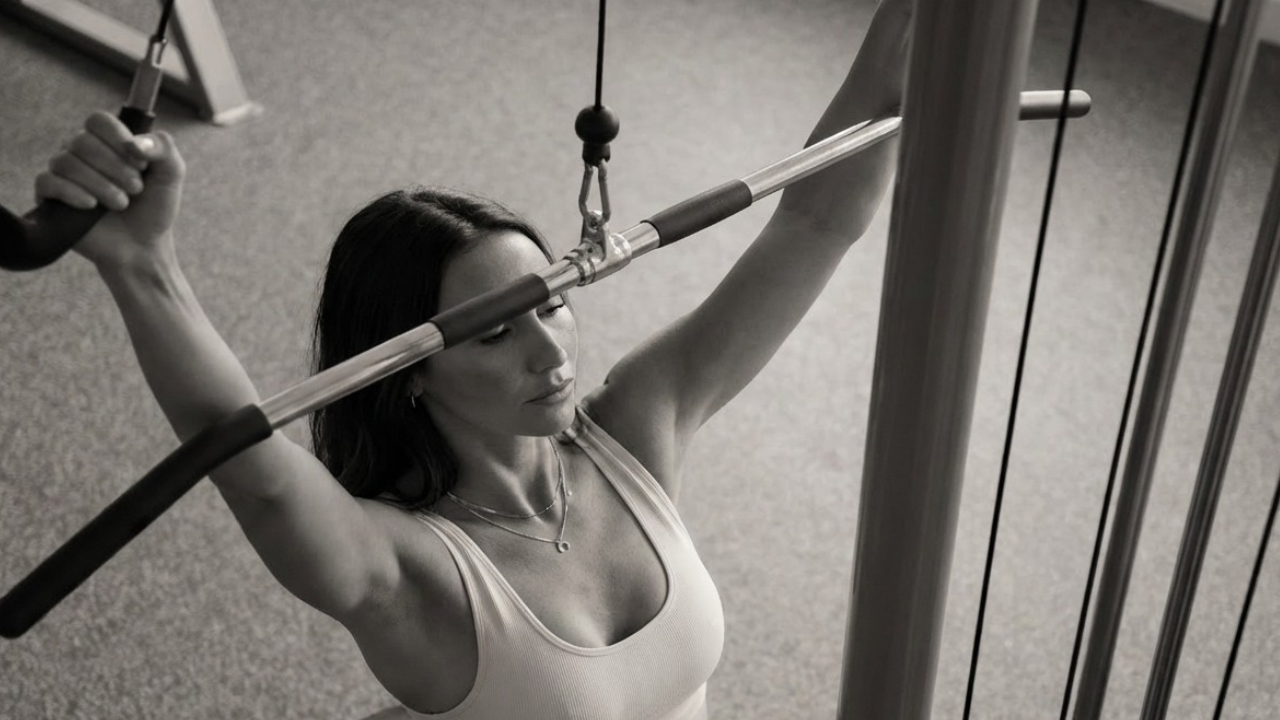
Back then, mentioning reformer Pilates felt like revealing a secret. The sleek machines, the spring loaded resistance, the promise of long lean muscles and a stronger core attracted a devoted following who swore by its transformative effects. Fast forward a few years and reformer Pilates is no longer a niche fitness pursuit. It is everywhere.
From sold out studio memberships and waiting lists stretching for months to influencers documenting their early morning classes on social media, reformer Pilates has become one of the defining wellness trends of the decade. Entire fitness identities have been built around it. Brunch conversations are peppered with discussions about springs, footwork and carriage control. Luxury activewear brands have found a loyal audience among reformer regulars. In some circles, attending a reformer class has become as much a lifestyle statement as it is a workout.
But with every trend comes a tipping point, as what began aspirational becomes oversaturated. What once felt exciting can start to feel repetitive. And increasingly, a question is emerging within wellness spaces and across social media feeds: are we over reformer Pilates?
Yes and no.
Thing is, reformer Pilates genuinely delivers results. Unlike many fleeting fitness crazes that explode in popularity before disappearing as quickly as they arrived, reformer Pilates is rooted in a method with decades of history. The reformer machine itself may look intimidating, but the principles behind it are grounded in controlled movement, alignment, breath and strength.
For many people, it offers a rare combination of challenge and accessibility. It can be adapted for beginners, athletes, those recovering from injury and people seeking a lower impact alternative to high intensity exercise. It strengthens without punishing. It encourages consistency rather than extremes. In a culture increasingly aware of the dangers of burnout, that message resonates.
Yet the backlash is not necessarily aimed at the workout itself. Instead, it is directed at what reformer Pilates has come to represent.
As wellness trends become more visible online, they often shift from being personal practices to public performances. Reformer Pilates has arguably experienced this transformation more than most. The carefully curated studio interiors, matching workout sets and aesthetically pleasing machines have made it highly shareable. In many cases, the image of reformer Pilates has become almost inseparable from the exercise itself.
This has led some people to question whether the trend has drifted away from its original purpose. When movement becomes content, does the experience change? When classes become status symbols, does accessibility suffer?
Cost is another factor driving the rebellion. Reformer Pilates classes are rarely cheap. In major cities, a single session can cost significantly more than a traditional gym workout. Monthly memberships often represent a considerable financial commitment. While devotees argue that the investment is worthwhile, others are beginning to push back against the idea that effective fitness must come with a premium price tag.
The rise of strength training has also influenced the conversation. Over the past few years, women in particular have become increasingly interested in building muscle, improving bone density and embracing heavier resistance training. The old narrative that exercise should focus primarily on becoming smaller is slowly being replaced by conversations about becoming stronger.
As a result, some fitness enthusiasts who once prioritised reformer Pilates are incorporating more weight training into their routines or replacing Pilates sessions altogether. Social media, which helped fuel the reformer boom, is now championing strength based workouts with equal enthusiasm.
That does not mean reformer Pilates is being abandoned. Rather, it suggests that people are becoming more nuanced in their approach to movement. Instead of searching for one perfect workout, they are building fitness routines that combine different modalities. Pilates for mobility and core strength. Weight training for muscle development. Walking for cardiovascular health. Yoga for recovery.
This shift reflects a broader change in wellness culture. The era of fitness monogamy may be coming to an end.
There is also growing fatigue around the constant pressure to participate in every trending wellness activity. Consumers are becoming more critical of the messages they receive online. They are asking tougher questions about what actually works for their bodies rather than simply following what is popular.
“In that sense, the reformer Pilates rebellion is less about rejecting Pilates and more about rejecting the idea that any single wellness trend holds all the answers.”
Interestingly, the very qualities that made reformer Pilates popular may be what help it endure beyond the trend cycle. Unlike workouts built around novelty or shock value, Pilates is fundamentally about longevity. Its benefits accumulate over time. Progress is often subtle rather than dramatic. Success is measured through consistency rather than transformation photographs.
These qualities do not always translate well in an attention economy driven by instant results, but they align closely with where wellness appears to be heading. Increasingly, people are looking for sustainable practices rather than quick fixes. They want movement that supports them not just for a season but for decades.
Perhaps that is why reports of reformer Pilates’ demise feel premature. Trends come and go, but methods with substance tend to evolve rather than disappear. The frenzy surrounding reformer Pilates may cool. The social media obsession may eventually move on to something new. Another workout will inevitably capture the collective imagination.
When that happens, reformer Pilates will likely remain where it has always been, quietly helping people move better, feel stronger and connect with their bodies.
So are we over reformer Pilates?
Maybe we are over the hype. Maybe we are over the endless social media content and the notion that one workout can solve every wellness goal. Maybe we are over treating fitness trends as personality traits.
But reformer Pilates itself? Probably not.
If anything, the rebellion suggests something healthier is taking place. We are becoming more discerning. More informed. More willing to separate effective movement from marketing. And that might be the most positive fitness trend of all.
Stay connected with news and updates!
Join our mailing list to receive the latest news and updates from our team.
Don't worry, your information will not be shared.
We hate SPAM. We will never sell your information, for any reason.