The Anti-Stress Grocery List Your Body Has Been Asking For
Jun 19, 2026No single food will fix a stressful life. But the right ones can genuinely help your body handle it better.
Cortisol is not the enemy. In the short term, it sharpens your focus, regulates your energy and helps you respond to pressure. The problem is that modern life keeps it elevated long after the stressful moment has passed, and over time that takes a real toll on your sleep, your mood, your weight and your skin.
What you eat has a measurable effect on your cortisol response. Not overnight, and not dramatically, but consistently, in the way that all meaningful wellness habits tend to work. These are the ten foods worth building your plate around.
1. Dark Chocolate
The science on this one is genuinely solid and not just something we are saying to make ourselves feel better. A study published in the journal Antioxidants found that participants who ate 25g of high-polyphenol dark chocolate daily over four weeks had measurably lower cortisol levels than those who did not. The flavonoids in cocoa appear to directly influence the body's stress response system. Aim for 70% cocoa or above and consider it a daily non-negotiable.
2. Fatty Fish
Salmon, mackerel, sardines and anchovies are among the richest dietary sources of omega-3 fatty acids, which have a well-established relationship with cortisol regulation. Omega-3s reduce inflammation, lower the cortisol response to psychological stress and support overall nervous system function. Two to three portions a week is a strong foundation. Not a fish eater? Walnuts, flaxseeds and chia seeds offer a solid plant-based alternative.
3. Blueberries
Small but genuinely powerful. The flavonoids in blueberries reduce oxidative stress in the brain, which is directly linked to anxiety and elevated cortisol. One study found that six weeks of regular blueberry consumption produced a significant reduction in depressive symptoms in adults, which maps closely onto cortisol's downstream effects on mood. A handful daily added to porridge, yogurt or eaten straight is one of the simplest upgrades you can make.
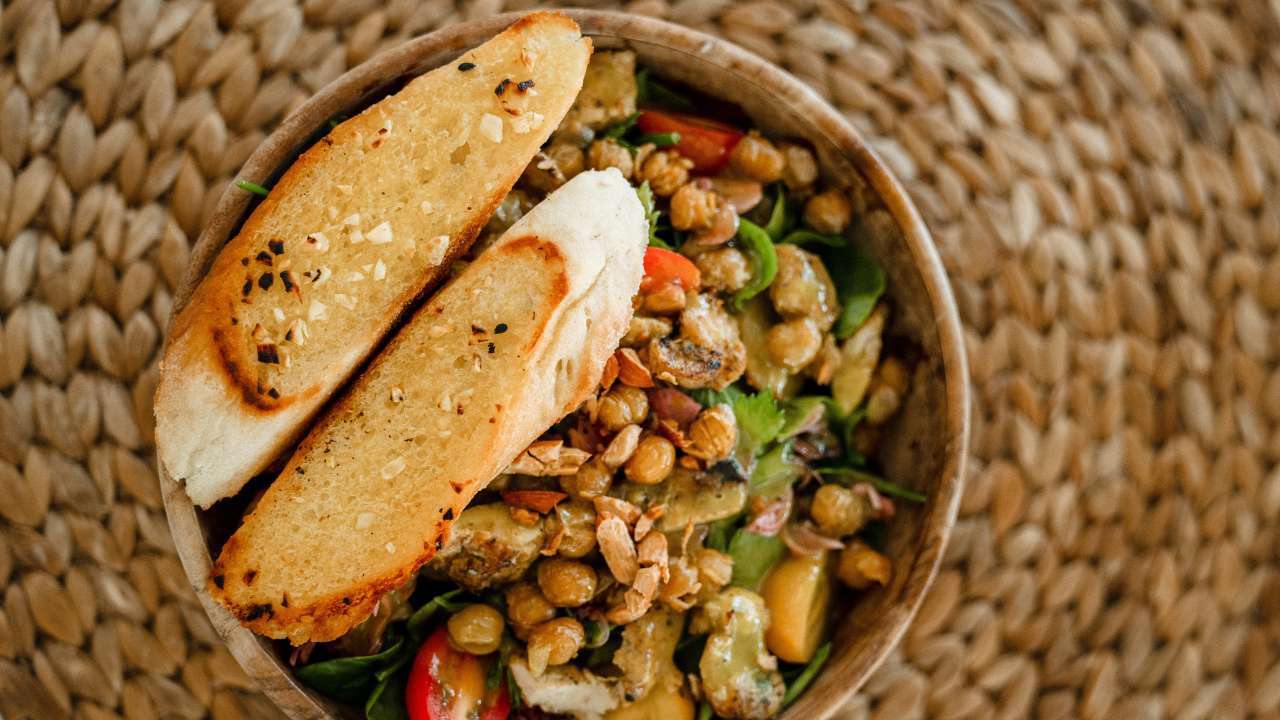
4. Spinach and Dark Leafy Greens
Spinach is one of the richest dietary sources of magnesium, and magnesium is arguably the most important mineral for cortisol regulation. Research found that supplementing with magnesium daily led to a 16% drop in cortisol levels after six months, and dark leafy greens are among the best natural food sources available. If you are chronically stressed, the chances are you are also chronically depleted in magnesium. Spinach, kale and Swiss chard are all worth eating regularly.
5. Fermented Foods
Your gut and your brain are in constant conversation, and your microbiome has a direct influence on how your body manages stress. Kefir, kimchi, sauerkraut, live yogurt and kombucha all feed the beneficial bacteria that support a calmer, more regulated stress response. A spoonful of kimchi alongside lunch or kefir stirred into a smoothie are small habits with a cumulative effect that becomes genuinely noticeable over time.
6. Avocado
Rich in potassium, magnesium, B vitamins and healthy monounsaturated fats, avocados support adrenal function and help regulate the nervous system in ways that directly affect how your body handles stress. Potassium in particular helps balance blood pressure during acute stressful moments. Half an avocado with lunch is not a trend. It is one of the most quietly intelligent food choices you can make.
7. Green Tea
Green tea contains an amino acid called L-theanine, which promotes calm alertness without sedation. Studies show it lowers salivary cortisol and makes it a genuinely useful swap for those who find coffee amplifies their anxiety or stress response. Unlike coffee, which raises cortisol in people sensitive to caffeine, green tea delivers gentler energy alongside its stress-modulating effects. Two to three cups across the day is a practical and pleasant place to start.
8. Oats
Blood sugar instability is one of the most overlooked drivers of elevated cortisol. When blood sugar drops, your body releases cortisol to compensate, which creates a cycle that is genuinely difficult to break without addressing what you are eating. Oats provide a slow, sustained release of energy that keeps blood sugar stable, supports serotonin production and contain beta-glucan, a fibre linked in its own right to healthier cortisol levels. A proper bowl of porridge in the morning is one of the most underrated things you can do for your stress hormones.
9. Ashwagandha
Technically an adaptogenic herb rather than a food, but the evidence is too good to leave off this list. Across multiple clinical trials, ashwagandha reduced cortisol by between 11% and 33%, making it the most consistently evidenced natural intervention for cortisol reduction currently available. Stir it into warm oat milk as part of an evening wind-down, add it to a smoothie or take it in capsule form. If you are going to invest in one supplement for stress, this is the one the research most clearly backs.
10. Walnuts
Rich in omega-3 fatty acids, polyphenols, magnesium and B vitamins, walnuts support brain health, reduce inflammatory markers and help modulate the cortisol response to stress. They also require zero preparation, which matters more than we admit when life is already full. A small handful in the afternoon, when cortisol naturally dips and energy tends to flag, is a habit worth starting today.
One Last Thing
No food will undo a life that is genuinely overwhelming, and this list is not meant to suggest otherwise. Sleep, movement, rest and real nervous system support all matter just as much as what is on your plate. But food is one of the most accessible places to start, and building your meals consistently around these ingredients is a genuine, evidence-backed way to support your body through the stress that life inevitably brings.
Start with one. Add it consistently. Notice what shifts.
This article is for informational purposes only and is not a substitute for medical advice. If you suspect your cortisol levels are chronically elevated, please speak with your GP or a qualified healthcare professional. Always consult your GP before making significant dietary changes, particularly if you are managing a health condition or taking medication.
Stay connected with news and updates!
Join our mailing list to receive the latest news and updates from our team.
Don't worry, your information will not be shared.
We hate SPAM. We will never sell your information, for any reason.