How Wellness Became The Latest Handbag
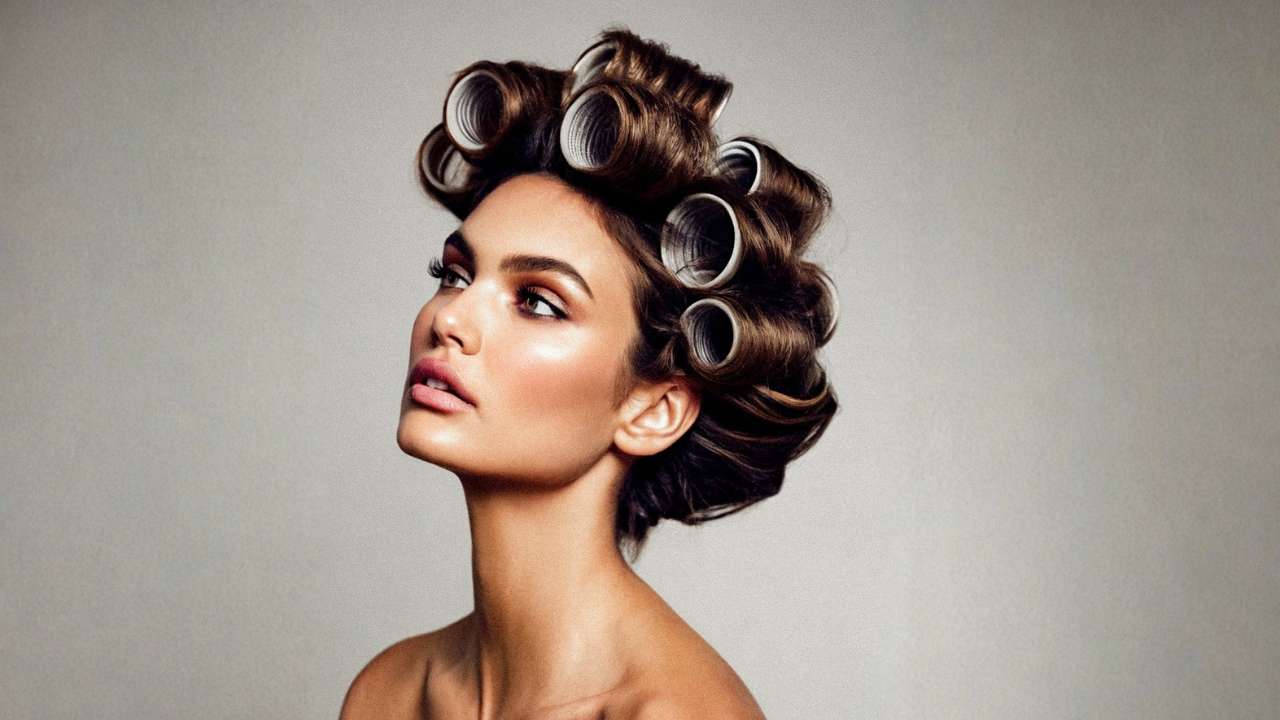
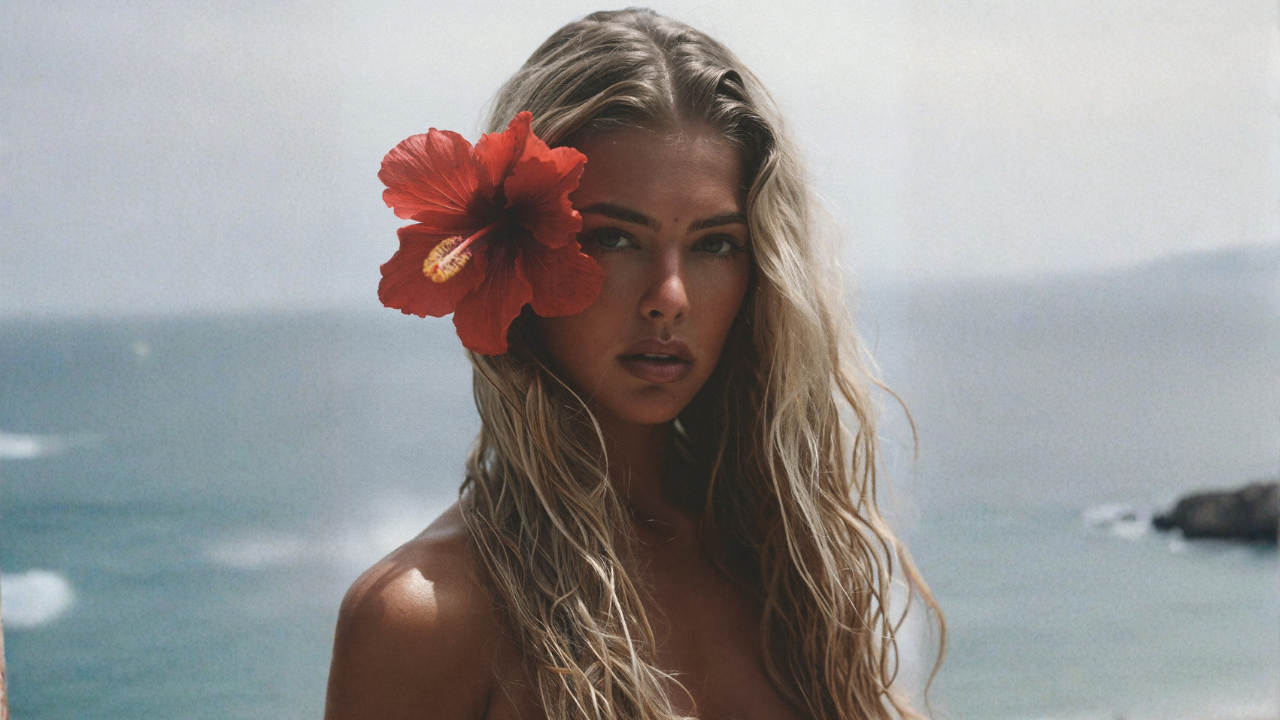
May 29, 2026Something has quietly shifted in how we spend. The handbag is no longer doing the heavy lifting. The status piece, increasingly, is the bathroom shelf, the kitchen counter, the standing appointment on a Tuesday morning. Wellness has become an aesthetic, and at its high end it has become the look itself.
The numbers tell the story. According to The New Wellness Ecosystem, the new report from Karla Otto in partnership with Phronesis Partners, 60 percent of luxury consumers plan to increase their wellness spend this year, and 64 percent of those say they will do so by reallocating their existing luxury budget. As Elisabetta Tangorra, Karla Otto's Chief Brand Officer, puts it:
"These consumers are thinking twice about spending £5,000 on a bag, sometimes opting to buy second-hand instead, and investing their money elsewhere."
That "elsewhere" has a very particular look. Muted, considered, faintly clinical. Travertine bathrooms. Matte supplement bottles left out on purpose. A jumper, a green powder, a blood test.
The Treatment Room as the New Front Row
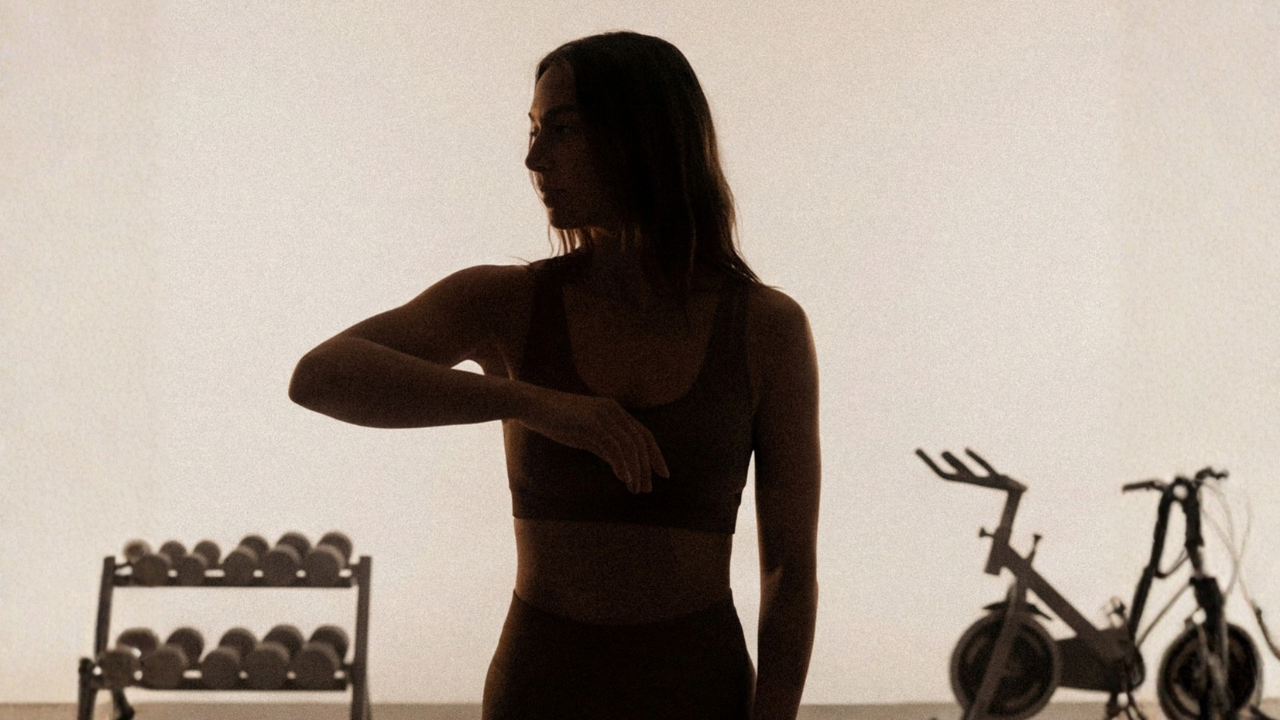
The wellness club has replaced the cocktail bar as London's most interesting social ticket. Six Senses London, opening this year, encourages every guest to undergo a hospital-grade assessment before tailoring everything from cryotherapy to its Biohack Recovery Lounge. BLOK has turned its sauna into a living room, while Arc in Canary Wharf and Shoreditch & Soul have made contrast therapy something you do alongside strangers who quickly stop being strangers. The Karla Otto report confirms it: community now ranks as the third-highest priority in wellness experiences.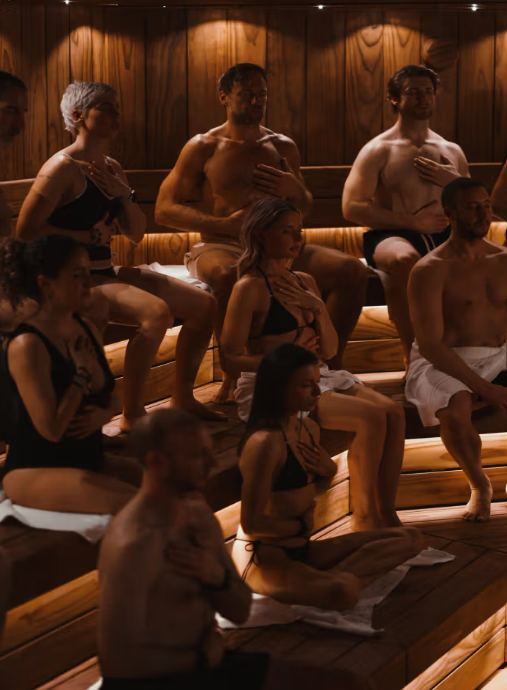
Credit Arc Community
Beauty That Reads Like a Lab Report
One in three luxury consumers now looks for scientific backing before they will trust a wellness product, and the new beauty shelf reflects it. Augustinus Bader, with its cobalt-blue bottles and 35 years of stem-cell research, has become shorthand for considered skincare. SkinCeuticals remains the antioxidant reference point. British brands like Medik8 and Votary have built quiet, science-led followings, while Dr David Jack has translated Harley Street expertise into a clinical, restrained range you would actually want on display.
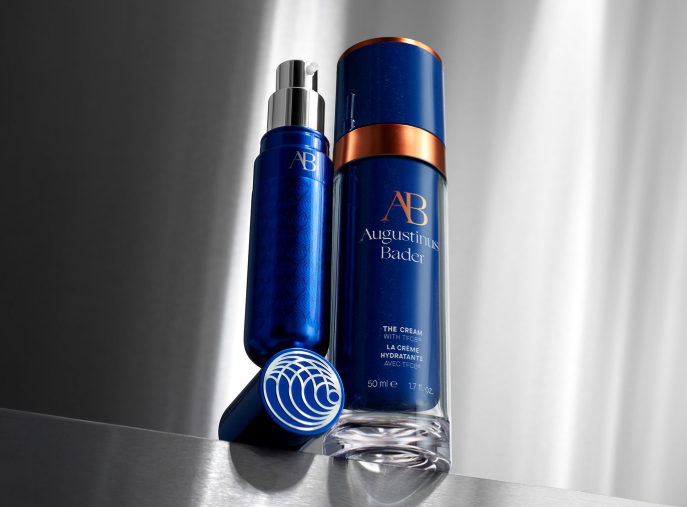
Credit: Augustinus Bader
The Adaptogenic Pour
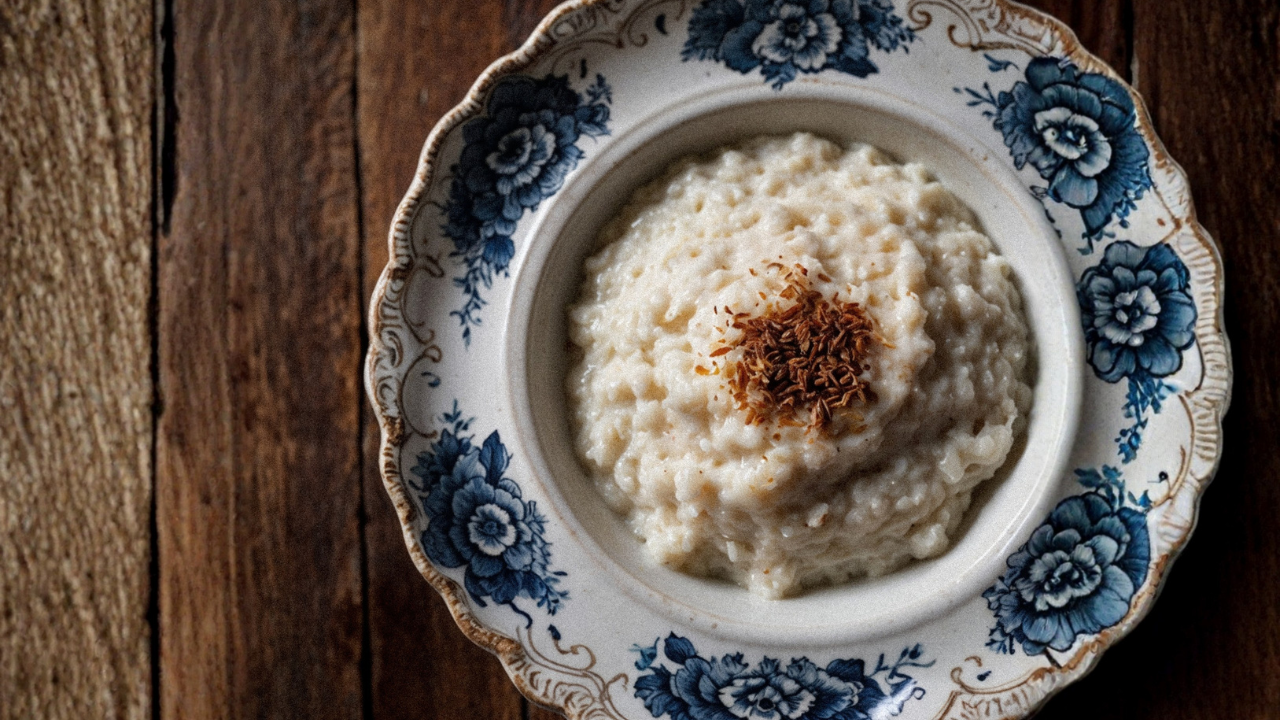
Nowhere has the aesthetic travelled faster than into the glass. Younger consumers are drinking less and reaching instead for something botanical, faintly bitter, photographed against pale plaster. Three Spirit, the London-founded plant-based alternative, has practically invented the new evening pour. TRIP made adaptogens and CBD a Sainsbury's staple. DASH Water, Real Kombucha and the mushroom-led DIRTEA have replaced the morning espresso for a generation that finds caffeine a bit obvious.
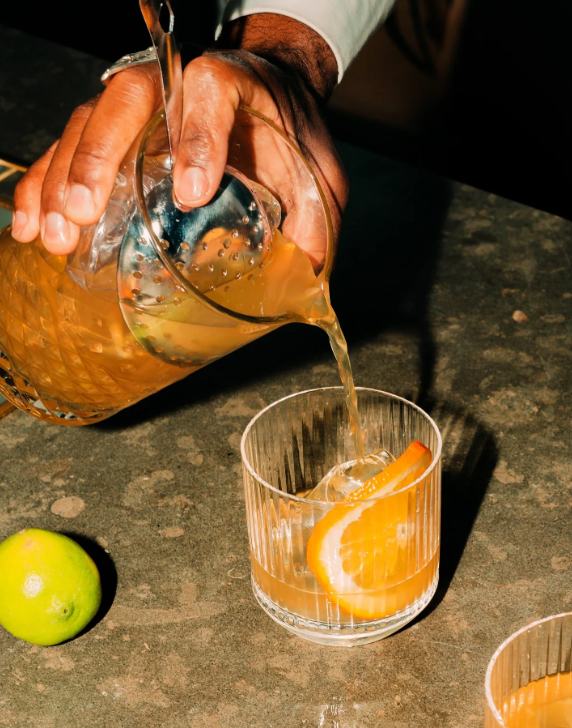
Credit: Three Spirit
What It Won't Do
Wellness will not solve everything. But the shift the Karla Otto report captures is real: how we spend, how we gather, how we present ourselves to the world. The new status symbol is not something you wear. It is something you have slept, sweated, scanned and sipped your way into. The aesthetic, in the end, is the receipt.
Stay connected with news and updates!
Join our mailing list to receive the latest news and updates from our team.
Don't worry, your information will not be shared.
We hate SPAM. We will never sell your information, for any reason.