
Five Things You Should Never Do After a Run (If You Want to Recover Faster)
Jul 24, 2026Finishing a run often feels like the hard part is over. Whether you have just completed a 5 kilometre jog, a long Sunday run or a hard interval session, what you do in the hour afterwards can have just as much impact on your performance as the run itself.
Recovery is where your body adapts. It is when muscles repair, energy stores are replenished and your cardiovascular system becomes stronger. Ignore it and you may find yourself feeling unusually stiff, struggling through your next workout or even increasing your risk of injury.
While there is no single perfect recovery routine, there are several common mistakes that can hold your progress back. Here are five habits worth avoiding and what to do instead.
-
Do not collapse on the sofa immediately
After a challenging run it is tempting to kick off your trainers and sink straight into the sofa. While a few minutes of rest is well deserved, stopping completely the moment you cross the finish line is not ideal.
When you run, your heart rate increases and blood is directed towards your working muscles. Suddenly becoming completely inactive can leave blood pooling in your legs, contributing to stiffness and that heavy leg feeling many runners experience the next day.
A short cool down helps your body transition back to a resting state more gradually.
What to do instead
Spend five to ten minutes walking at an easy pace after your run. This gentle movement encourages circulation, helps clear metabolic by products and allows your heart rate to come down naturally.
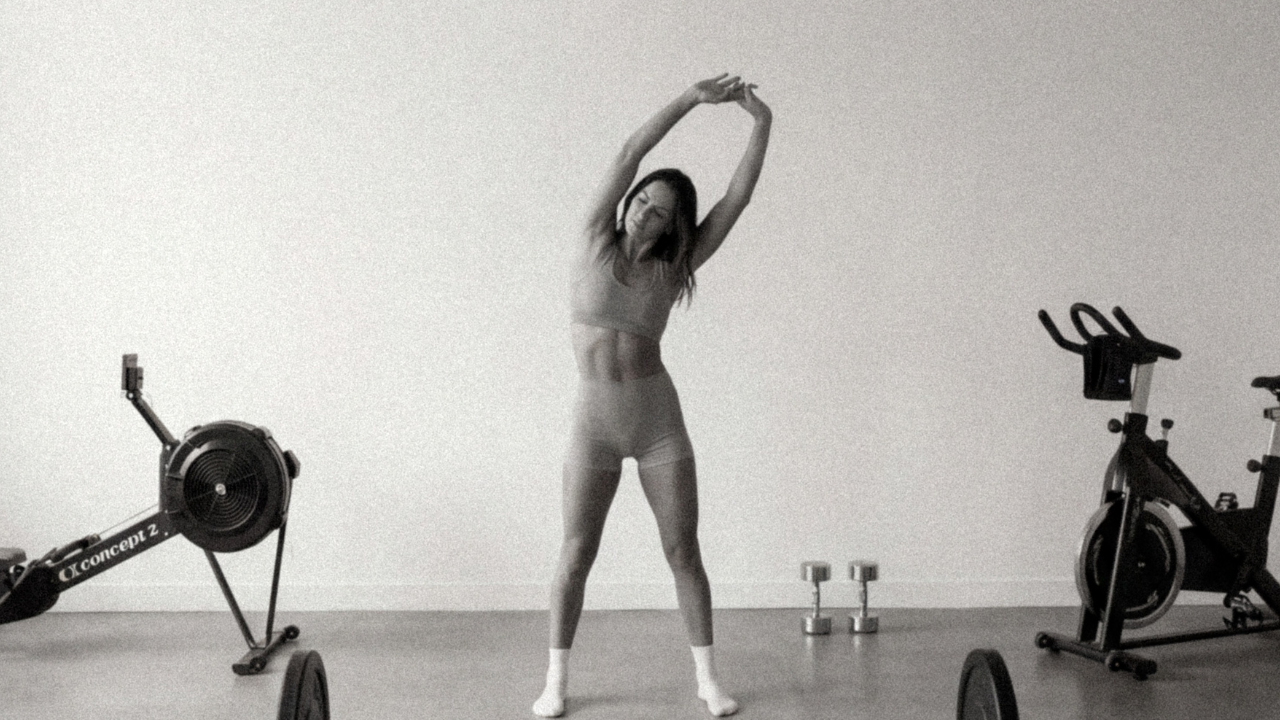
Once you are home, a few minutes of light mobility work can also help maintain range of movement, particularly around your hips, calves and ankles.
You do not need an elaborate stretching routine. Even five minutes can make a noticeable difference.
-
Do not ignore your post run nutrition
You may have heard of the protein window, but it is often misunderstood.
The idea that you have exactly thirty minutes to consume protein is outdated. However, your muscles are more responsive to nutrients after exercise, making the first couple of hours an excellent opportunity to support recovery.
Running creates tiny amounts of muscle damage, especially after speed sessions, hill work or long distances. Protein provides the amino acids your body needs to repair this tissue and adapt.
Carbohydrates are equally important. They replenish glycogen, the stored form of carbohydrate that fuels your muscles during exercise.
Skipping both can leave you feeling sluggish, sore and under recovered.
What to do instead
Aim to eat a balanced meal within one to two hours of finishing your run.
A recovery meal could include:
- Grilled chicken with rice and vegetables
- Greek yoghurt with berries and oats
- Eggs on wholegrain toast
- Tofu stir fry with noodles
If you cannot eat immediately, a protein shake and a banana is a practical option until you can have a full meal.
For most people, aiming for around 20 to 30 grams of protein after exercise is a sensible target.
-
Do not jump into an ice bath after every run
Cold water immersion has become one of the biggest recovery trends in recent years.
While ice baths can reduce soreness and help athletes recover quickly between competitions or intense training sessions, they are not always the best choice after every workout.
Part of getting fitter involves your body responding to the small amount of inflammation caused by exercise. This natural process helps muscles become stronger and more resilient over time.
Regularly suppressing that response with cold exposure immediately after every run may reduce some of the long term training adaptations, particularly after strength training.
What to do instead
Save ice baths for occasions when rapid recovery is genuinely the priority.
Examples include:
- Multi day competitions
- Tournament weekends
- Marathon recovery
- Back to back races
- Periods of unusually high training volume
For your average training run, allowing your body to recover naturally is often the better choice.
-
Do not skip food because you feel fine
One of the biggest mistakes recreational runners make is assuming they do not need to refuel because they are not hungry.
Adrenaline and elevated body temperature can temporarily suppress appetite after exercise, even when your body desperately needs energy.
If you regularly delay eating after harder sessions, you may notice symptoms later that day or even the following morning.
These can include:
- Heavy legs
- Poor sleep
- Increased fatigue
- Cravings
- Reduced performance during your next workout
Recovery is not simply about repairing muscles. Your immune system, hormones and nervous system all rely on adequate nutrition after exercise.
What to do instead
Treat recovery as part of your training plan rather than something optional.
Prioritise:
- A balanced meal
- Plenty of fluids
- Adequate sodium if you have sweated heavily
- A good night’s sleep
The training session only provides the stimulus. Recovery is when your body actually becomes fitter.
-
Do not rehydrate with water alone
Hydration is about far more than replacing fluid.
When you sweat, you lose water along with electrolytes, particularly sodium. Simply drinking large amounts of plain water may not fully restore your fluid balance, especially after long runs in warm weather.
In some cases, excessive water intake without replacing sodium can actually make it harder for your body to retain the fluid you drink.
What to do instead
If your run lasted longer than an hour, took place in hot conditions or left you with salty sweat marks on your clothing, consider replacing both fluid and electrolytes.
This could include:
- An electrolyte tablet dissolved in water
- A sports drink
- Water alongside a meal containing salt
- Homemade electrolyte drinks
For shorter, easier runs, plain water and a balanced meal are usually enough.
Recovery is where progress happens
Many runners obsess over training plans, running shoes and pace targets while overlooking the basics that have the biggest influence on performance.
The hour after your run presents an opportunity to help your body recover, adapt and prepare for the next session.
That does not require expensive recovery gadgets or complicated routines.
Instead, focus on the fundamentals:
- Cool down with a gentle walk
- Eat a meal containing protein and carbohydrates
- Use ice baths strategically rather than routinely
- Do not ignore your body’s need for fuel
- Replace both fluids and electrolytes after harder efforts
Running is only half of the equation. Recover well and your body will reward you with stronger performances, fewer aches and greater consistency over time.
Stay connected with news and updates!
Join our mailing list to receive the latest news and updates from our team.
Don't worry, your information will not be shared.
We hate SPAM. We will never sell your information, for any reason.