
Your Post-Workout Recovery Routine
Aug 14, 2026The training itself is only half the story. How you recover is what quietly shapes how strong, settled and energised you feel afterwards, and it's about far more than simply resting. Give your body the right support and it repairs muscle, eases inflammation and keeps your hormones on an even keel. Here's a considered, evidence-led way to wind down after movement, weaving together gentle activity, good food, proper sleep and a few well-loved tools like cold water and heat.
Cool down and let your heart rate settle
Rather than coming to an abrupt stop, give yourself five to ten minutes to ease down. A little light walking or cycling helps clear the by-products of hard effort, and some gentle stretching brings back mobility while softening the stiffness that likes to set in. A few slow, deep breaths do quiet work too, nudging your nervous system out of go-mode and into recovery. It's a small ritual, but it's the moment your body shifts from working to healing.
Rehydrate and top up your electrolytes
Sweat takes water and electrolytes with it, and both matter for muscle repair and hormone balance. Aim for around 500 to 750ml of water once you've finished, and if the session was long or particularly sweaty, add electrolytes to help restore your sodium, potassium and magnesium. Coconut water or a good electrolyte powder both do the job nicely. Staying properly hydrated eases inflammation, supports digestion and helps keep hormones like cortisol steady.
Refuel with food that calms inflammation
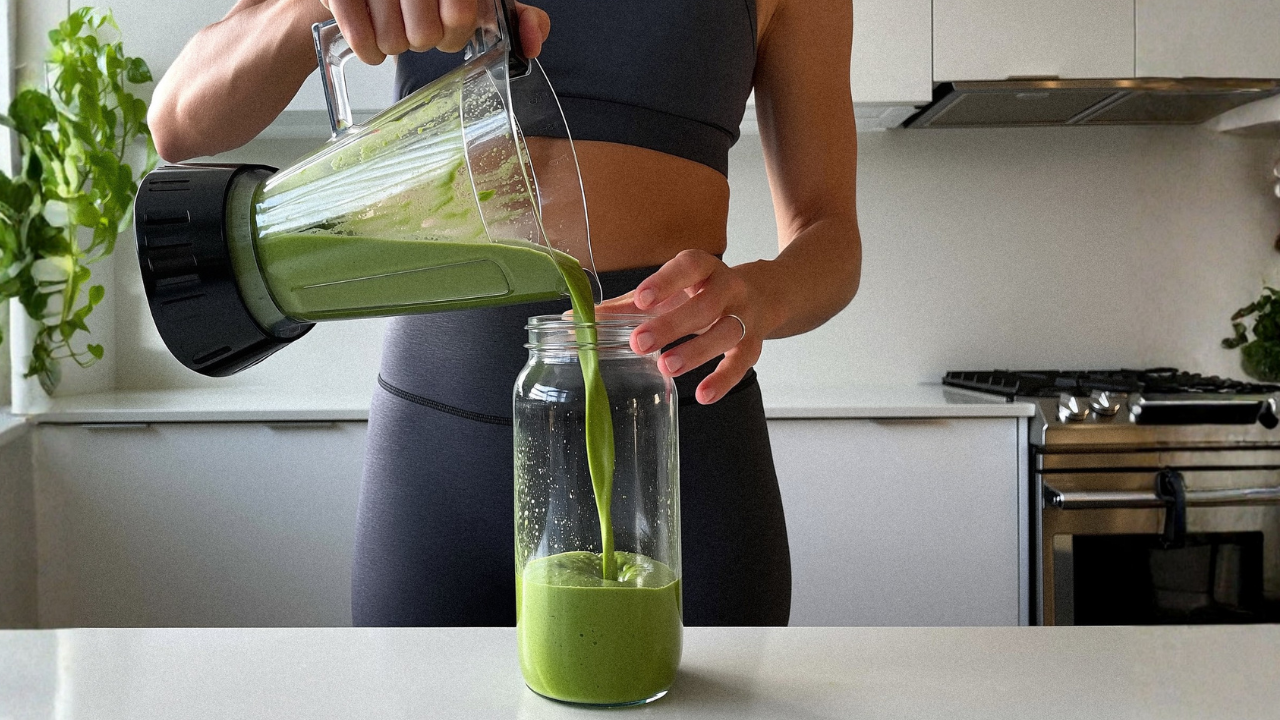
Your body repairs best when it's given something to work with, ideally within half an hour to an hour of finishing. A serving of protein, whether that's fish, eggs, Greek yoghurt or a plant-based shake, gives your muscles what they need to rebuild. Some slower carbohydrates like oats, sweet potato, rice or fruit restore your energy stores, and a little healthy fat from avocado, olive oil, nuts or seeds supports hormone production. Anti-inflammatory additions such as turmeric, ginger, dark leafy greens and berries are a lovely finishing touch. If you notice bloating, breakouts or lingering fatigue after eating, it's worth paying attention, as intolerances to things like gluten, dairy or soy can quietly stoke inflammation and slow your recovery. Let your body's responses guide you.
Try a little cold water
Cold water immersion, whether that's an ice bath, a cold shower or a plunge, is one of the more effective ways to recover. It helps calm inflammation and muscle soreness, gets your circulation moving to flush away the waste that builds up during training, and does something quietly steadying for the mind as well. If you're new to it, one to three minutes is plenty to begin with, and you can build from there as your tolerance grows.
Balance it with some heat
Where cold soothes inflammation, heat helps your muscles unwind, which makes a sauna the natural companion to a cold plunge. The warmth brings more blood flow to your muscles so nutrients arrive faster, encourages a good sweat, and gently stimulates the body's own repair processes. Fifteen to twenty minutes, either straight after training or later in the evening, is genuinely restorative. Move between hot and cold and you get the best of both.
Keep moving, gently, the next day
Recovery doesn't mean coming to a complete standstill. The day after a demanding session, keep your body ticking over with something soft, a yoga flow, some foam rolling or a swim. Light movement keeps your circulation going, eases stiffness and helps everything mend, all without asking too much of muscles that are still repairing. It's how you stay consistent without pushing.
Treat sleep as the real recovery
Sleep is where the deepest repair happens. It's during your deepest hours that your body produces growth hormone and rebuilds muscle tissue, so aim for somewhere between seven and nine hours. Easing off screens before bed helps your melatonin do its thing, and a little magnesium, a herbal tea or some slow breathing can gently see you off. If anything earns the title of most important part of your day, it's this.
Your body doesn't grow stronger in the middle of a workout. It grows stronger in the hours and days that follow, when you let it. Pair thoughtful training with good hydration, nourishing food, a little contrast therapy and proper rest, and the progress tends to be the kind that stays. Recovery isn't the afterthought. It's where the real change quietly happens.
Stay connected with news and updates!
Join our mailing list to receive the latest news and updates from our team.
Don't worry, your information will not be shared.
We hate SPAM. We will never sell your information, for any reason.