
How to Support Your Skin's Collagen, Naturally and Without the Noise
Apr 17, 2026Your skin's scaffolding starts shifting in your mid-twenties. Here is how to work with it.
Collagen does not announce itself when it is working. You simply look like yourself, skin firm, surface smooth, complexion alive. It is only when production starts to slow that most women begin to notice something has quietly changed. Fine lines appear where they did not before. Skin loses a little of its bounce. There is a flatness to the complexion that no amount of highlighter quite fixes.
The decline is gradual and entirely normal. From around your mid-twenties, collagen levels drop by roughly one percent each year. Sun exposure, chronic stress, smoking, and a diet high in sugar and processed foods can accelerate that process. Understanding this is not a reason to panic. It is a reason to be more intentional.
Here is what actually helps.
Start With What You Eat
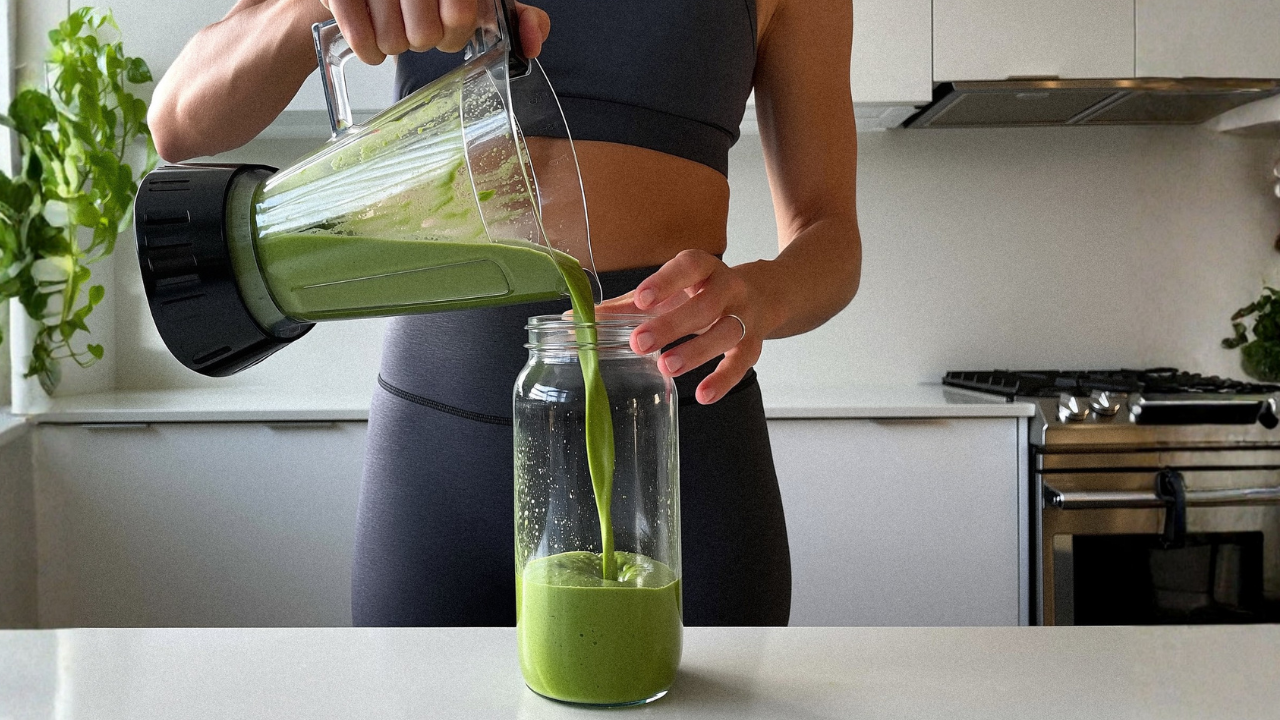
Collagen is a structural protein built from amino acids, which means the food on your plate has a direct role in what your skin can produce. Lean meats, fish, eggs, legumes, and nuts provide the raw materials. Vitamin C is the other critical piece: it is essential for the enzymatic processes that build and stabilise collagen fibres. Citrus fruits, kiwis, strawberries, and bell peppers are all reliable sources and easy to work into most diets without much effort.
Antioxidants matter too. Berries, leafy greens, green tea, and dark chocolate help neutralise the free radicals that break collagen down. Omega-3 fatty acids from oily fish like salmon support skin elasticity from the inside in a way that very few topical products can replicate.
Protect What You Already Have
Daily SPF is non-negotiable. UV radiation is one of the most significant drivers of premature collagen loss, and it does its damage quietly, on overcast days as much as sunny ones. A broad-spectrum SPF applied every morning is one of the simplest habits with the clearest return.
A vitamin C serum used before your SPF adds another layer of antioxidant defence and actively encourages collagen production in the deeper layers of skin. Retinoids and peptides, introduced gradually and consistently, support cell turnover and help maintain firmness over time. These are not quick fixes. They are slow, quiet, steady improvements that compound in your favour.
Look at Your Daily Habits
Sleep is when the body repairs itself, collagen production included. Seven to nine hours is not a luxury. It is part of the process. If your sleep is consistently poor, no serum or supplement is going to fully compensate for that.
Excess sugar is worth paying attention to. Glycation, the process by which sugar molecules attach to and damage collagen and elastin fibres, is one of the less-discussed ways diet affects skin ageing. Choosing whole, minimally processed food most of the time does more for your skin's long-term integrity than most products on the market.
Smoking and excessive alcohol both accelerate collagen breakdown in ways that are difficult to counteract from the outside. If these are part of your life, reducing them will likely do more for your skin than any new skincare addition.
On Supplements
Hydrolysed collagen peptides have shown some promise in studies looking at skin hydration and elasticity, and they are worth considering if you are looking to support your routine further. Results vary between individuals, and supplements work best as one part of a broader approach rather than a standalone solution. Consult a healthcare professional before starting anything new, particularly if you have existing health conditions.
On Professional Treatments
For a more targeted approach, treatments such as microneedling, LED therapy, and low-intensity laser can encourage collagen production beneath the surface. When carried out by trained practitioners, they offer real results without dramatic downtime. They are worth exploring if you are looking to go a step further, but they are never the foundation. Lifestyle and skincare are.
Supporting your collagen is not about reversing time. It is about giving your skin what it needs to keep doing what it does well, for longer. The approach is quieter than most wellness trends and more durable than any of them. Consistent nutrition, thoughtful skincare, protective habits and genuine rest. Nothing complicated. Just steady, intelligent care.
Your collagen may decline with age. Your ability to support it does not.
Stay connected with news and updates!
Join our mailing list to receive the latest news and updates from our team.
Don't worry, your information will not be shared.
We hate SPAM. We will never sell your information, for any reason.