The Underrated Dairy Superfood Nutritionists Swear By
Mar 13, 2026I'll be honest with you, I spent years dismissing goat yoghurt as something you'd only find at a farmers' market next to artisan chutney and overpriced candles. It felt a bit niche, a bit faddy, and honestly? I wasn't sure it would taste any different to the standard pot of Greek yoghurt I had in my fridge every week.
However, it's creamy, slightly tangy, easy to digest, and most importantly it genuinely makes me feel better from the inside out. From supporting gut bacteria to helping calm inflammation, goat yoghurt has become one of my everyday staples for a reason. I started looking more carefully at what I was putting into my body and goat yoghurt kept coming up in the research I was doing.
So I gave it a proper go. And I genuinely haven't looked back.
Here's everything I've learnt about why goat yoghurt deserves a permanent spot in your fridge.
What Actually Makes Goat Yoghurt Different?
Before we get into the benefits, it's worth understanding what sets goat yoghurt apart from your standard cow's milk version. The difference comes down to the structure of the milk itself.
Goat's milk contains smaller fat globules and a different protein structure, specifically, it has less alpha-s1 casein (the protein in cow's milk that many people react to) and more beta-casein, which is far easier for the human digestive system to process. The fat molecules in goat's milk are also smaller, meaning they form a softer curd in your stomach and are absorbed more readily.
This isn't just marketing. The science backs it up. And once I understood this, the benefits started to make a lot more sense.
It's Far Easier to Digest
This was the first thing I noticed. Within a week of swapping my morning Greek yoghurt for goat yoghurt, the bloating I'd been experiencing after breakfast had reduced significantly.
The reason goat's milk is gentler on the gut comes down to a few factors. First, it contains lower levels of lactose than cow's milk, not lactose-free, but meaningfully less. Second, that softer protein curd means your stomach doesn't have to work as hard to break it down. And third, goat's milk naturally contains higher levels of medium-chain fatty acids, which are metabolised quickly and don't linger in the digestive tract.
If you've always struggled with dairy but never wanted to give it up entirely, goat yoghurt is genuinely worth trying before you write it off completely.
The Gut Bacteria Benefits Are Significant
Like all natural yoghurt, goat yoghurt is rich in live probiotic cultures, beneficial bacteria that your gut microbiome absolutely thrives on. But what makes goat yoghurt stand out is that its prebiotic content (the food that feeds your good gut bacteria) is particularly well-suited to supporting microbial diversity.
Research into the gut microbiome has made it increasingly clear that diversity is everything. The more varied your gut bacteria, the better your digestion, your immunity, your mood, and even your cognitive function. Goat yoghurt contains naturally occurring oligosaccharides, a type of prebiotic fibre — that actively nourish the beneficial bacteria already living in your gut.
I noticed the difference in my digestion within a couple of weeks. Less bloating, more regularity, and that uncomfortable heaviness after meals that I'd come to accept as normal? Gone.
It Has Impressive Anti-Inflammatory Properties
This was the benefit that surprised me most, because I hadn't expected a dairy product to be anti-inflammatory. In fact, I'd half-assumed the opposite.
But goat's milk fat has a different fatty acid profile to cow's milk. It's higher in medium-chain fatty acids like caprylic acid and capric acid, which have been shown to possess natural anti-inflammatory and antimicrobial properties. Goat's milk is also richer in certain antioxidants, including selenium and vitamin E, both of which play a key role in reducing oxidative stress in the body.
Chronic, low-level inflammation is at the root of so many modern health complaints, from skin conditions like eczema and acne, to joint pain, fatigue, and even mental health struggles. Reducing it through dietary choices is one of the most sustainable things you can do for your long-term wellbeing.
I can't promise goat yoghurt will be a silver bullet for your inflammation. But as part of an anti-inflammatory diet, it's a genuinely smart addition.
It Supports Skin Health from the Inside Out
My skin was one of the first places I noticed a change, which I wasn't expecting at all.
The link between gut health and skin health, sometimes called the gut-skin axis — is a growing area of research, and it makes a lot of intuitive sense. When your gut microbiome is thriving, your body is better able to regulate inflammation, absorb nutrients properly, and eliminate waste efficiently. All of that shows up in your skin.
Goat yoghurt is also rich in zinc, which is essential for skin repair and regulation of oil production. It contains riboflavin (vitamin B2), which supports cellular renewal, and the live cultures in the yoghurt contribute to a balanced inflammatory response, great news if you suffer from redness, breakouts, or dullness.
I'm not suggesting you replace your skincare routine with a pot of goat yoghurt. But feeding your skin from the inside genuinely does make a difference, and this is a delicious way to do it.
It's a Nutrient-Dense Food Worth Eating Daily
Beyond the gut and inflammation benefits, goat yoghurt is simply an excellent source of nutrition. In a standard serving you're getting calcium (more bioavailable than from cow's milk), phosphorus for strong bones and teeth, potassium for heart health and muscle recovery, a solid hit of complete protein, B vitamins for energy metabolism, and selenium, a powerful antioxidant mineral that supports thyroid and immune function. For the calorie count, it's a remarkably nutrient-dense food, and because it's genuinely satiating, it keeps me fuller for longer than most alternatives.
It May Help if You're Sensitive to Cow's Dairy
I want to be careful here, because goat yoghurt is not dairy-free and it does contain lactose. If you have a confirmed dairy allergy or coeliac disease, this isn't a fix for you and you should always work with your GP or a registered dietitian.
However, if you've always felt a bit iffy after cow's dairy; bloating, discomfort, skin flare-ups, without ever having a formal diagnosis, it's worth exploring whether the issue is specifically with cow's milk proteins rather than dairy as a whole. Many people who don't tolerate cow's dairy find goat's dairy is a much more comfortable alternative. The difference comes down to that alpha-s1 casein content; cow's milk is very high in it, goat's milk significantly less so.
How I Actually Eat It
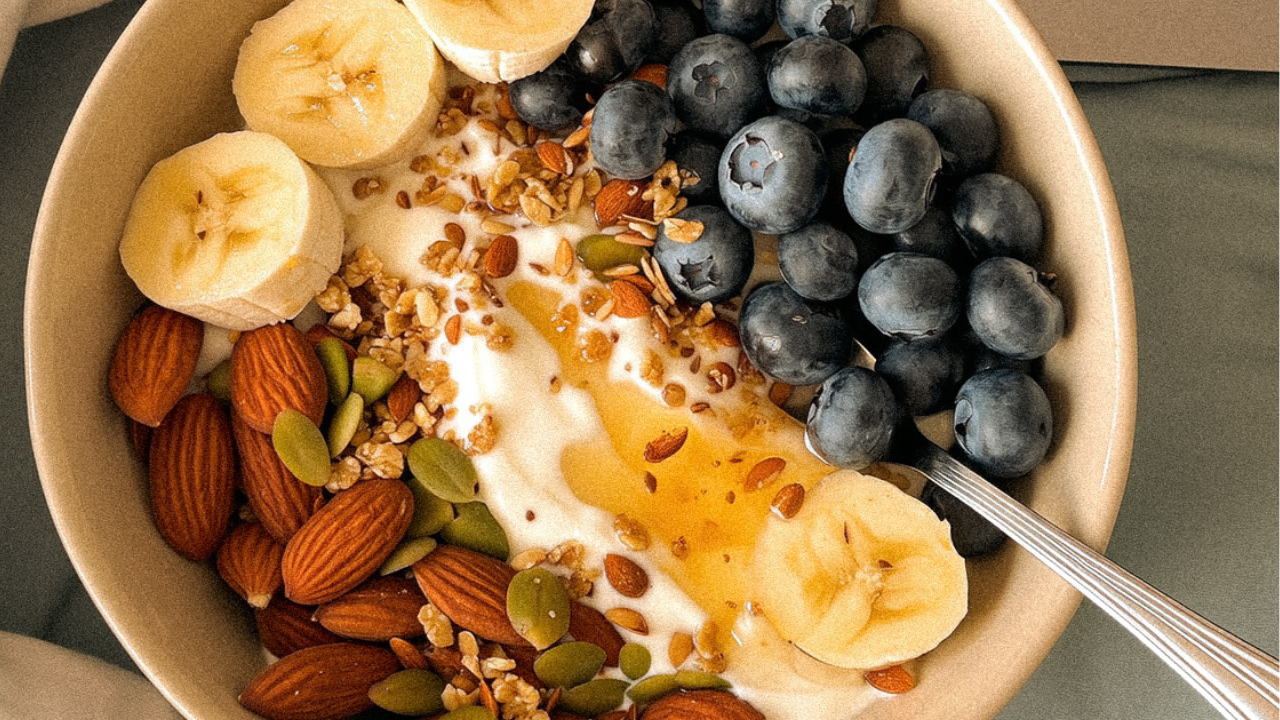
In the morning: With berries, a drizzle of raw honey, and a sprinkle of mixed seeds. It has a slightly tangier flavour than cow's milk yoghurt, which I've genuinely come to love.
As a snack: A small bowl with sliced banana and a pinch of cinnamon. Quick, easy, satisfying.
In cooking: It works beautifully in place of crème fraîche or soured cream, stirred through soups, used as a dip base, or dolloped onto roasted vegetables.
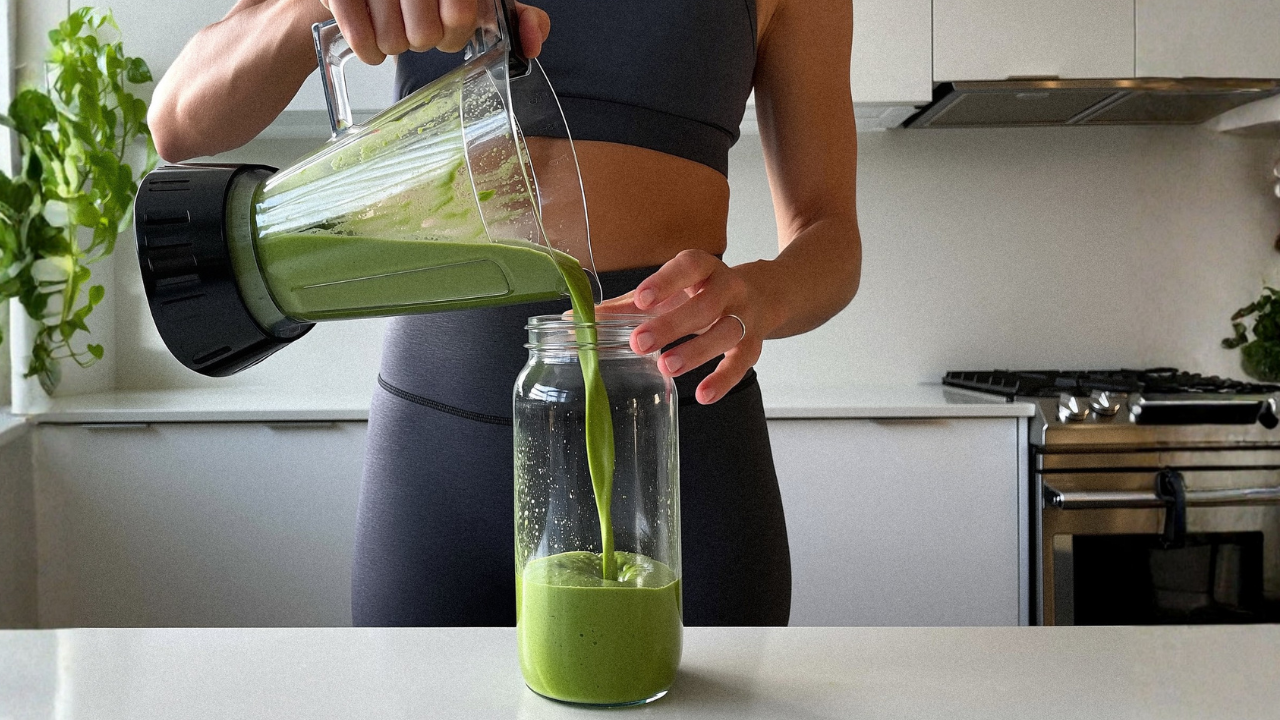
In smoothies: It blends beautifully and adds creaminess without heaviness.
Goat yoghurt is one of those foods I genuinely wish I'd taken seriously sooner. It's not a trend, it's not a gimmick, it's a nutrient-dense, probiotic-rich, anti-inflammatory food that happens to taste great and work brilliantly in an everyday diet. If your gut has been feeling off, your skin isn't where you want it to be, or you're simply looking to add more high-quality nutrition to your day in the simplest possible way, give it a proper go. Start with a good-quality natural goat yoghurt, look for one with live cultures and minimal added ingredients, and give it a few weeks. Your gut will likely thank you.
Always consult your GP or a registered dietitian before making significant changes to your diet, particularly if you have a known allergy, intolerance, or health condition.
Stay connected with news and updates!
Join our mailing list to receive the latest news and updates from our team.
Don't worry, your information will not be shared.
We hate SPAM. We will never sell your information, for any reason.